




- Prolonged sitting or standing slows down lower limb circulation, causing blood and fluid to pool in the calves, resulting in tightness, swelling, and fatigue.
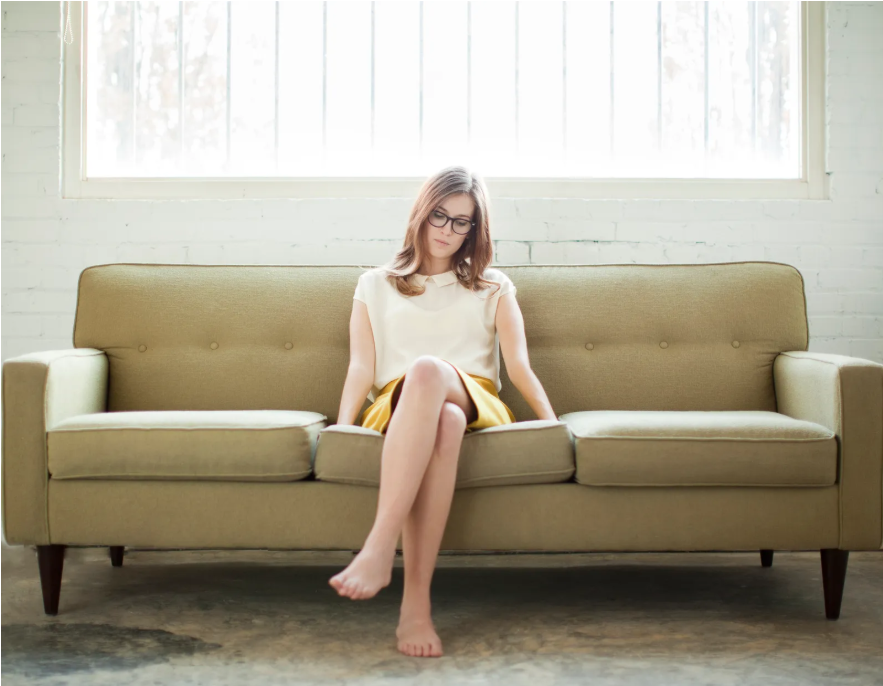
- Habitually crossing your legs, slouching, or sitting too deep in a chair can misalign the pelvis and spine, keeping the calf and thigh muscles in an unnatural state of tension for extended periods, making them appear thicker and shorter.
Daily Posture Adjustments
- Sit only on one-third of the chair seat, slightly lengthening your back and straightening your pelvis, allowing your thighs and calves to naturally support your body instead of sinking into the chair back.
- Keep your feet flat on the ground, hip-width apart, avoiding prolonged crossing your legs or supporting yourself on one leg, reducing pressure on the pelvis and lower legs.
Calf Stretch While Seated
1. Seated Toe Flexion and Stretch

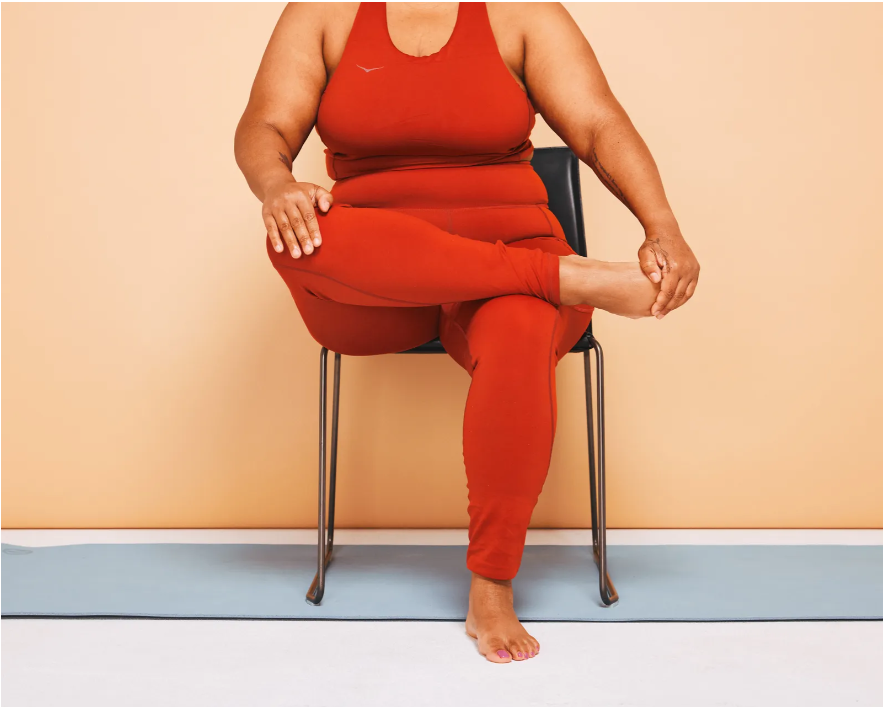
- Sit on the front edge of a chair with one heel on the ground and knee straight. Slowly flex your toes towards your body, feeling the stretch in the back of your calf. Hold for 15-20 seconds, then switch sides and repeat 2-3 sets.
- This exercise helps stretch tight calves and also extends the back of the thighs. It’s suitable for doing a few rounds anytime while working at the office.
2. Seated Calf Stretch with Resistance Band (Optional)
- If you have a resistance band, sit with one leg straight. Wrap the band around your foot and gently pull it towards your body with both hands until you feel a slight tension in the back of your calf and the sole of your foot.
- Hold for 5 slow breaths, then switch sides. It’s also recommended to do 2-3 sets. This helps improve calf tightness after running or brisk walking.
Ground Stretches for Longer Legs
1. Lunge Calf Stretch
- Stand with one foot in front of the other in a lunge position. Bend your front knee and straighten your back leg, keeping your heel as close to the ground as possible. Gently push your body forward until you feel a stretch in your back calf.
- Hold for about 20 seconds on each side. Do 2-3 rounds. This effectively stretches the calf muscles and relieves calf fatigue from prolonged standing.
2. Downward-Facing Dog or Inverted V Stretch
- Place your hands and feet on the ground. Push your hips up, forming an inverted V shape. Slowly lower your heels to the ground, feeling the stretch extending from your calf to the back of your thigh.
- Hold for 5-8 deep breaths. Keep your back relaxed and your neck natural. This is a full-body stretch and is especially good for improving stiffness in the back of the calves.
Fascial Relaxation: Rollers and Massage
- After exercise or prolonged sitting, press the back of your calves onto a massage roller or ball and slowly roll it back and forth. Stop at particularly tight spots and breathe deeply; it’s like giving your fascia a deep massage.
- The pressure should be light enough to feel a slight ache, but you should still be able to breathe and relax. Don’t apply excessive pressure. Regular fascial relaxation can make your calves look smoother and reduce the risk of cramps and sports injuries.
Daily Habits for Slimmer Calves
- Get up and move around at least a few times a day. Avoid sitting for hours at a time to allow blood and lymph to flow back and prevent swelling from accumulating in your calves.
- After exercise or shopping, remember to do 5-10 minutes of stretching, along with adequate hydration and simple leg raises. Over time, your calves will gradually become longer, more flexible, and have a cleaner, more defined shape, instead of being stiff.