



How to build a home gym under 500 dollars: buy training tools that cover six movement patterns, not single-use machines. A $487 setup can train squat, hinge, push, pull, carry, and core work in 35 square feet, while meeting the CDC target of 2 weekly strength sessions and 150 weekly minutes of moderate activity. The smartest starter gym is not the cheapest pile of gear. It is a tested budget that gives you 40 or more repeatable exercises, safe progression, and enough load for at least 12 months of training.
The $500 Rule: Buy Movement Coverage Before Weight
A home gym under 500 dollars should first solve exercise coverage. If your budget gives you a heavy curl bar but no safe squat, row, hinge, or press option, it is a poor gym even if the equipment looks serious.
Definition: A budget home gym is a small training setup that uses low-cost, multi-purpose equipment to train the major muscle groups at home. For most beginners and returning lifters, the target is 30 to 45 exercises, 2 to 4 weekly sessions, and less than 50 square feet of storage space.
The CDC adult guideline, updated on its physical activity pages in 2024, recommends at least 150 minutes of moderate aerobic activity per week plus muscle-strengthening activity on 2 days per week. That means your home gym does not need to copy a commercial gym. It needs to make two strength sessions so easy to start that you actually do them.
Here is the coach’s filter I use with clients: every item must earn its floor space by adding at least 5 useful exercises, costing less than $12 per exercise, or solving a safety problem. That filter removes ab wheels for beginners, novelty balance boards, most single-use machines, and cheap treadmills that often fail before the habit is built.
The Exact Shopping List I Would Use
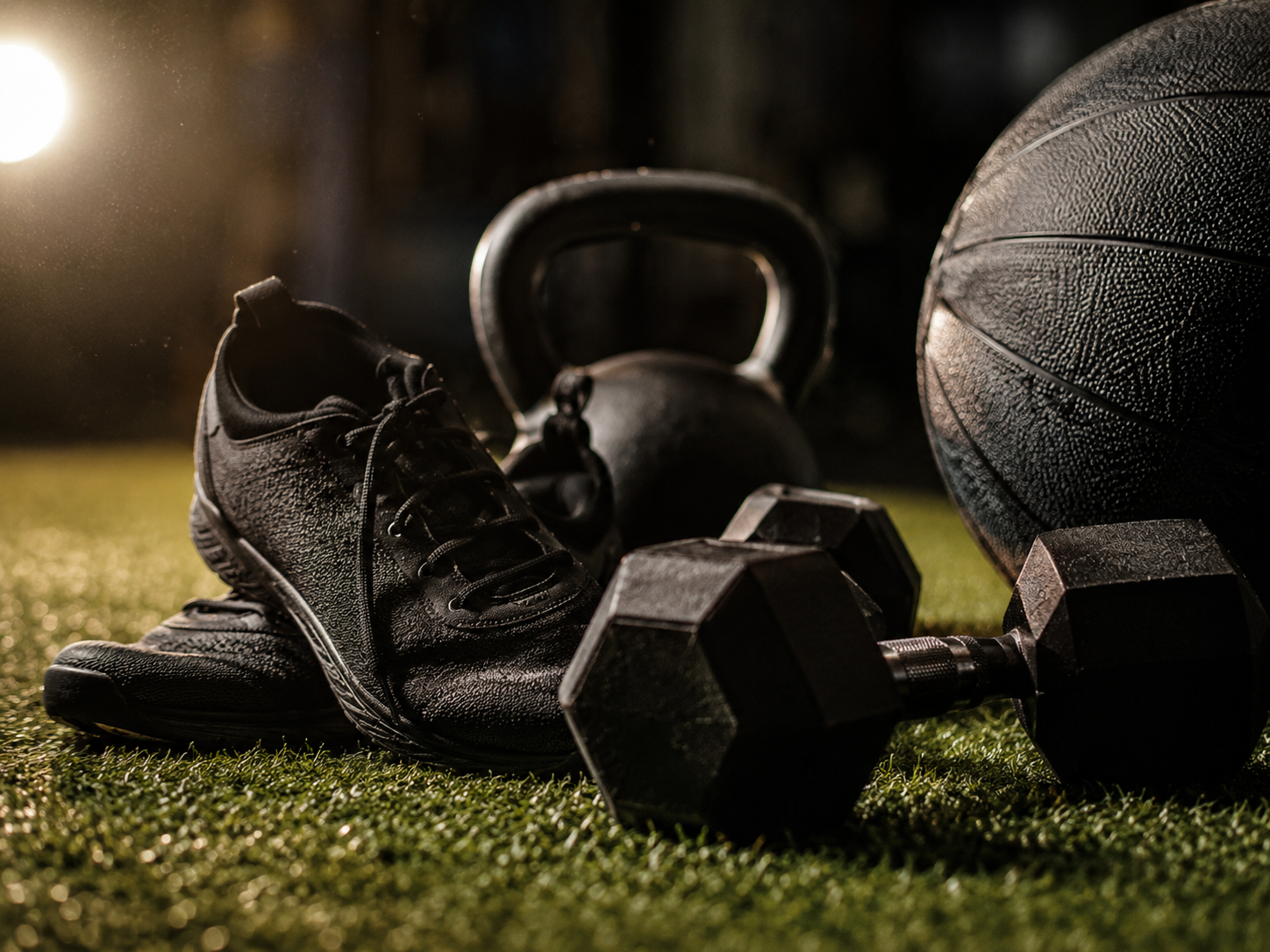
This setup totals about $487 before tax using typical 2026 online sale prices. Prices change weekly, so keep a $40 buffer and buy the mat last if your room already has safe flooring.
| Item | Target price | Why it earns the budget | Exercises covered |
|---|---|---|---|
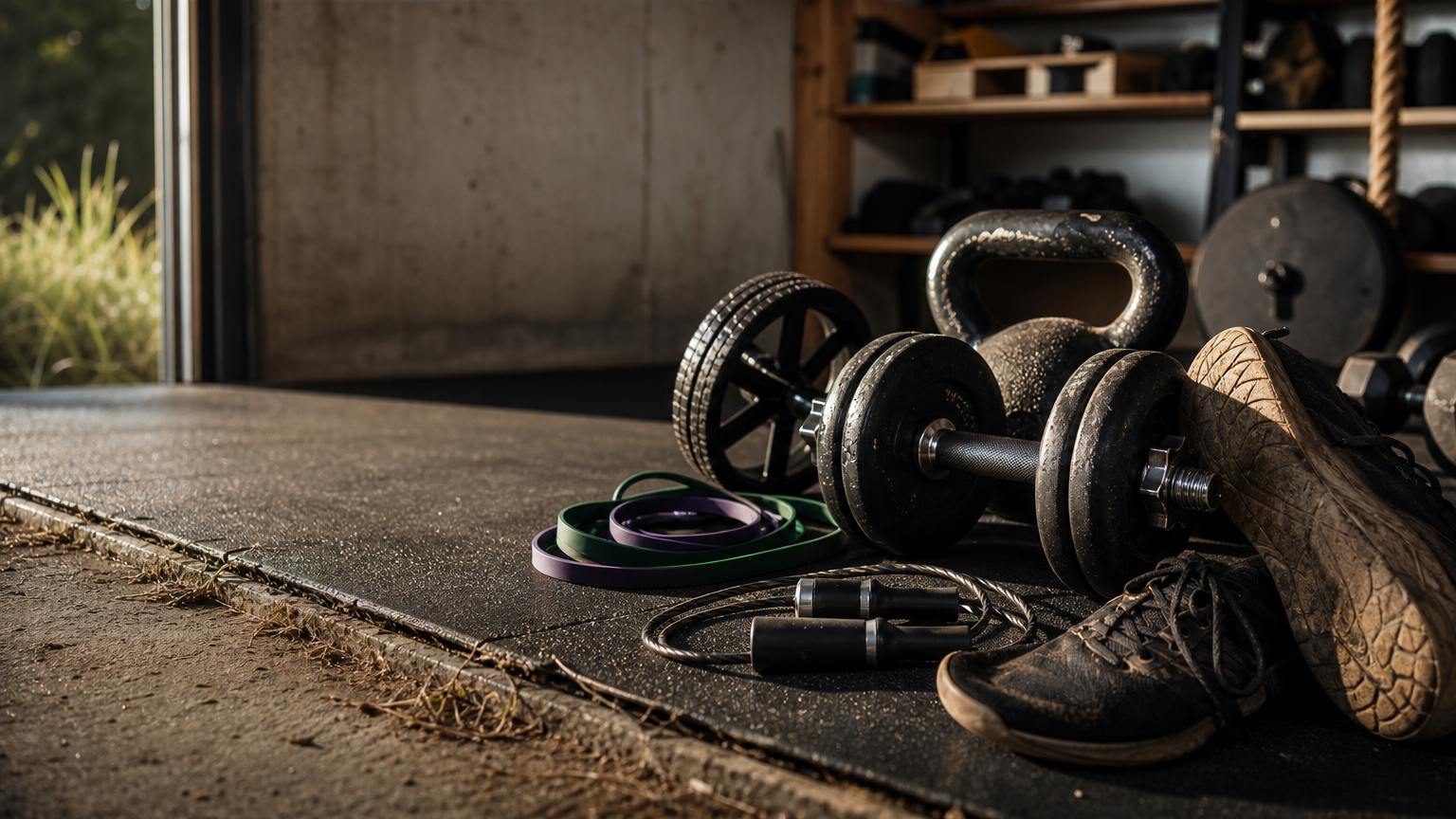
| Adjustable dumbbells, 5 to 52.5 lb pair | $230 to $280 | Replaces about 15 fixed dumbbell pairs and supports presses, rows, squats, lunges, hinges, curls, and carries | 18 to 24 |
| Loop resistance bands, 4-band set | $25 to $40 | Adds warm-ups, assisted pull-ups, face pulls, hip work, and joint-friendly rows | 12 to 16 |
| Doorway pull-up bar rated at 300 lb or more | $30 to $55 | Gives vertical pulling, dead hangs, knee raises, and band anchor options | 6 to 10 |
| Flat foldable bench, 600 lb stated capacity | $85 to $120 | Improves pressing range, split squats, supported rows, step-ups, and core positions | 10 to 14 |
| Jump rope or compact cardio tool | $10 to $20 | Supplies low-cost conditioning without a machine | 4 to 6 |
| Exercise mat or two rubber tiles | $25 to $45 | Protects floor, reduces noise, and makes kneeling work tolerable | 8 to 12 |
Quotable: A $487 home gym can cover at least 40 exercises, or roughly $12.18 per exercise, when the budget is built around adjustable dumbbells, bands, a pull-up bar, a foldable bench, rope, and floor protection.
If your budget is closer to $350, skip the bench at first and use floor presses, split squats, hip thrusts from a couch, and one-arm rows with the non-working hand braced on a chair. If your budget is exactly $500, do not spend the final $80 on a rack unless you already own plates and a barbell. A rack without load is furniture.
What Is the Best First Purchase for a Home Gym?
The best first purchase is a pair of adjustable dumbbells if strength training is your main goal. They give the highest exercise count per dollar, fit under a desk or in a closet, and allow progressive overload in small jumps.
Definition: Progressive overload is the planned increase of training demand over time. In a home gym, it can mean adding 2.5 to 5 pounds, adding 1 to 2 reps, slowing the lowering phase to 3 seconds, or reducing rest by 15 to 30 seconds.
ACSM resistance training guidance has long used 8 to 10 major-muscle exercises performed at least 2 non-consecutive days weekly as a practical baseline for adults. A dumbbell pair plus bands can cover those major areas without forcing a beginner into barbell lifts before they have good control.
Quotable: For a beginner, adjustable dumbbells that reach 50 to 52.5 pounds per hand usually provide 9 to 18 months of useful loading for presses, rows, lunges, Romanian deadlifts, and loaded carries.
How to Build a Home Gym Under 500 Dollars Without Buying Junk
Use a 3-test buying process. First, check the load rating. Second, count the exercises. Third, check whether the equipment has a failure point that could injure you, such as a weak door frame hook, slick bench feet, or bands with cracked rubber.
For dumbbells, look for a minimum total pair range of 10 to 100 pounds. A 5 to 25 pound set is fine for shoulder raises and curls, but it gets outgrown fast for squats and hinges. For a bench, look for a stated capacity of at least 600 pounds because the rating includes your body weight plus the dumbbells. A 190-pound lifter pressing two 50-pound dumbbells already places about 290 pounds on the bench before movement forces are counted.
For bands, buy both loop bands and at least one lighter band. The heavy band helps assisted pull-ups and hip hinges. The light band helps face pulls, rotator cuff work, and warm-ups. A 2023 review in the journal Sports Medicine found that resistance bands can produce strength gains comparable to conventional resistance training when effort and progression are matched, which is exactly why bands belong in a starter gym.
For a pull-up bar, measure the doorway before you buy. Many bars need a trim width of about 24 to 36 inches and a top molding lip. If your home has weak trim or a rental restriction, use bands anchored in a closed door with a proper door anchor instead of forcing a bar into an unsafe frame.
The 35-Square-Foot Layout
You do not need a spare room. You need one training lane. A 7 by 5 foot area gives enough room for push-ups, dumbbell Romanian deadlifts, split squats, rows, band work, and mat exercises. Store the bench folded against a wall, keep dumbbells under it, hang bands on a hook, and place the rope in a small bin.
Quotable: The most practical home gym footprint for apartments is 35 square feet, because a 7 by 5 foot training lane supports dumbbell lifting, mat work, and band drills without moving furniture every session.
Noise matters more than most buying guides admit. Dumbbell drops can pass through floors at 60 to 80 decibels in many apartments. Rubber tiles reduce impact noise, but the better fix is behavior: set weights down with two hands, avoid jumping after 9 p.m., and use slow step-back lunges instead of jump lunges if you share walls.
A Simple 3-Day Plan for Your New Setup
This plan uses the full home gym under 500 dollars setup and follows the ACSM-style beginner range of controlled reps with non-consecutive strength days. Rest 60 to 120 seconds between hard sets. Stop each set with 1 to 3 reps still in reserve for the first 4 weeks.
Day 1: Full-Body Strength
- Dumbbell goblet squat: 3 sets of 8 to 12 reps
- Dumbbell floor press or bench press: 3 sets of 8 to 12 reps
- One-arm dumbbell row: 3 sets of 10 reps per side
- Band face pull: 2 sets of 15 reps
- Suitcase carry: 3 rounds of 30 to 45 seconds per side
Day 2: Conditioning and Mobility
- Jump rope: 10 rounds of 30 seconds work and 30 seconds rest
- Band pull-apart: 2 sets of 20 reps
- Hip flexor stretch: 2 sets of 45 seconds per side
- Dead bug: 3 sets of 8 reps per side
Day 3: Lower Body and Pulling
- Dumbbell Romanian deadlift: 3 sets of 8 to 10 reps
- Rear-foot raised split squat: 3 sets of 8 reps per side
- Assisted pull-up or band lat pulldown: 3 sets of 6 to 10 reps
- Dumbbell shoulder press: 2 sets of 8 to 12 reps
- Side plank: 2 sets of 30 to 45 seconds per side
Track only three numbers at first: load, reps, and session completion. If you complete all prescribed reps for 2 sessions in a row, raise the dumbbells by the smallest jump available or add one rep per set. That is enough progression for the first 8 weeks.
Where Most $500 Home Gyms Waste Money
The first waste point is cardio equipment. A low-cost treadmill or bike can consume $250 to $400 and still not solve strength training. If walking or running outdoors is available, put the first $500 into strength tools and use free cardio.
The second waste point is buying a barbell before buying enough plates. A 45-pound bar, collars, and two 45-pound plates can use $250 to $350 of the budget. That setup gives great deadlifts but limited pressing, limited rowing, no bench unless you spend more, and no safe squat option without a rack.
The third waste point is buying duplicates. If you own adjustable dumbbells, you do not need kettlebells in the first month. If you own loop bands, you do not need three cable attachments. Spend the first 60 days learning what your sessions lack, then buy the missing piece.
Q&A: Can a $500 Home Gym Build Muscle?
Can a $500 home gym build muscle?
Yes, a $500 home gym can build muscle if it provides progressive resistance, enough weekly sets, and consistent training near fatigue. Research summarized by ACSM shows adults can gain strength with 2 or more weekly resistance sessions, and hypertrophy can occur across many rep ranges when sets are taken close enough to fatigue.
The limit is not the price. The limit is load ceiling. A 52.5-pound dumbbell pair is plenty for curls, presses, rows, split squats, and single-leg hinges for many beginners. Stronger lifters may outgrow lower-body loading first, usually on goblet squats and Romanian deadlifts. When that happens, use single-leg variations before buying heavier equipment.
Definition: Load ceiling is the heaviest practical resistance your home equipment can provide for a movement. When you can exceed 15 to 20 clean reps on a lift and cannot add weight, switch to a harder variation or buy more load.
The Coach’s Buying Order
If you want to know how to build a home gym under 500 dollars with the least regret, buy in this order: adjustable dumbbells first, bands second, bench third, mat fourth, pull-up bar fifth, jump rope sixth. This order gives you useful workouts after the first purchase, not only after the whole cart arrives.
Do one full week of training before buying extras. Measure what slowed you down. If setup friction is the issue, buy storage. If grip is the issue, buy chalk or gloves. If leg exercises are too easy, buy heavier dumbbells or a weighted vest. The right upgrade is the one that removes your current bottleneck, not the one a video review says looks best.
Bottom Line
The best answer to how to build a home gym under 500 dollars is simple: buy tools that train patterns, not products that imitate a commercial gym. For about $487, you can cover strength, conditioning, mobility, and recovery basics in 35 square feet. Start with adjustable dumbbells and bands, follow a 3-day plan for 8 weeks, and let your actual training data decide the next purchase.