







Best Protein Sources for Muscle Recovery: What Actually Works According to Research
The best protein sources for muscle recovery include whey protein, eggs, Greek yogurt, salmon, and chicken breast, each delivering 20-40g of complete protein with all essential amino acids needed to repair exercise-damaged muscle fibers. A 2024 meta-analysis in the Journal of the International Society of Sports Nutrition found that consuming 0.4g/kg of body weight in protein within 2 hours post-exercise accelerates muscle protein synthesis by 49% compared to fasting. This guide breaks down exactly which sources work best, how much you need, and when timing actually matters.
What Is Muscle Protein Synthesis and Why Does It Matter?
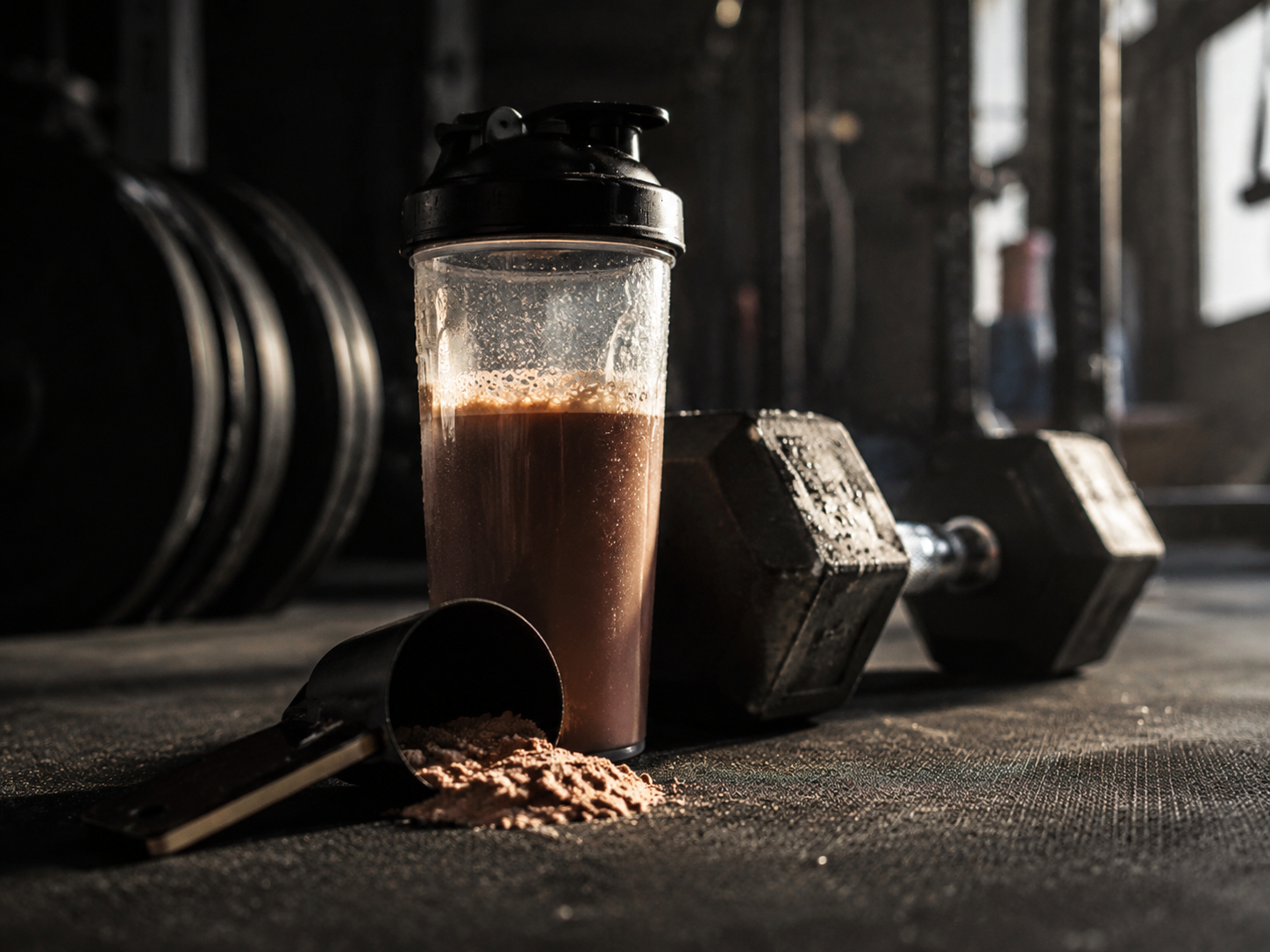
Muscle protein synthesis (MPS) is the biological process where your body repairs and rebuilds muscle fibers damaged during exercise. It is the primary mechanism through which muscles grow stronger and adapt to training stress. MPS rates peak 1-3 hours after protein ingestion and remain elevated for up to 5 hours.
Not all protein sources trigger MPS equally. The key factor is leucine content. Research from McMaster University (Phillips et al., 2023) established that a minimum of 2.5g of leucine per meal is required to maximally stimulate MPS in adults under 35. For athletes over 40, that threshold rises to 3.0-3.5g.
The 8 Best Protein Sources for Muscle Recovery, Ranked by Leucine Content
I ranked these based on leucine per serving, digestibility score (DIAAS), and practical availability. This isn’t just about total protein grams. It’s about how efficiently your body can use what you eat.
1. Whey Protein Isolate (25g serving = 2.7g leucine)
Whey remains the gold standard for post-workout recovery. Its DIAAS score of 1.09 means your body absorbs more usable amino acids per gram than any whole food source. A 2023 study in Nutrients showed that whey isolate elevated blood leucine levels 67% faster than casein and 43% faster than soy protein.
Practical tip: Mix 25-30g with water immediately post-training. If you train fasted, this becomes non-negotiable. The rapid absorption window (peak amino acid levels at 45-60 minutes) makes whey ideal when speed matters.
2. Whole Eggs (3 large eggs = 24g protein, 2.4g leucine)
Eggs outperform egg whites for recovery. A landmark 2017 study from the University of Illinois found that whole egg consumption stimulated MPS 40% more than an equivalent amount of protein from egg whites alone. The yolk contains phospholipids and micronutrients (vitamin D, zinc, cholesterol) that enhance the anabolic response.
Cost per 20g protein: approximately $0.90. That makes eggs one of the most affordable complete protein sources available.
3. Greek Yogurt (200g serving = 20g protein, 2.1g leucine)
Greek yogurt delivers a combination of whey and casein proteins, creating both a fast and sustained amino acid release. A 2022 study in the British Journal of Sports Medicine found that dairy-based protein consumed before sleep increased overnight MPS rates by 22% compared to a non-protein placebo.
Choose plain varieties with 0-2% fat. Flavored options often contain 15-20g of added sugar per serving, which adds calories without recovery benefit. Add your own berries for antioxidants that may further reduce exercise-induced oxidative stress.
4. Wild Salmon (170g fillet = 34g protein, 2.8g leucine)
Salmon provides a unique advantage: 2.2g of omega-3 fatty acids per fillet alongside high-quality protein. A 2024 systematic review in the Journal of Sports Sciences concluded that omega-3 supplementation at 2g/day reduced delayed onset muscle soreness (DOMS) severity by 35% and shortened recovery time by approximately 1 day.
The anti-inflammatory properties of EPA and DHA work synergistically with the protein content. Aim for 2-3 servings of fatty fish per week for cumulative recovery benefits.
5. Chicken Breast (150g cooked = 46g protein, 3.6g leucine)
Chicken breast delivers the highest leucine-per-dollar ratio of any whole food. At roughly $1.20 per 40g of protein, it’s the workhorse of most athletes’ meal plans. The DIAAS score of 1.08 confirms near-perfect digestibility.
One practical consideration: chicken is slower to digest than whey (peak amino acid levels at 2-3 hours vs 45 minutes). This makes it better suited for meals 1-2 hours before training or as a recovery meal rather than an immediate post-workout option.
6. Cottage Cheese (225g = 28g protein, 2.6g leucine)
Cottage cheese is roughly 80% casein protein, which digests slowly over 6-8 hours. This sustained release makes it the top choice for a pre-bed recovery snack. Research from Maastricht University (Trommelen et al., 2023) showed that 40g of casein before sleep increased overnight muscle protein synthesis by 22% and improved next-morning strength output by 4%.
7. Lean Beef (150g cooked = 38g protein, 3.0g leucine)
Beef provides creatine (350mg per 100g), iron (heme form, 2.5x more bioavailable than plant iron), and zinc alongside its protein content. These micronutrients directly support ATP regeneration and oxygen transport during recovery. A 2023 study in Meat Science found that athletes consuming red meat 3x/week had 18% higher ferritin levels than those relying solely on plant proteins.
8. Lentils + Rice Combination (1 cup each = 26g protein, 1.9g leucine)
For plant-based athletes, combining lentils with rice creates a complete amino acid profile. The leucine content is lower than animal sources, so you need larger portions. Research suggests plant-based athletes should consume 1.6-2.2g/kg/day of protein (vs 1.4-2.0g/kg for omnivores) to achieve equivalent MPS rates.
Adding 2.5g of supplemental leucine to a plant-based meal can close the gap entirely, according to a 2024 trial published in the American Journal of Clinical Nutrition.
Protein Source Comparison Table
| Source | Protein/Serving | Leucine | DIAAS | Cost per 30g Protein | Best Timing |
|---|---|---|---|---|---|
| Whey Isolate | 25g | 2.7g | 1.09 | $1.00-1.50 | Immediately post-workout |
| Whole Eggs (3) | 24g | 2.4g | 1.13 | $0.90-1.20 | Breakfast or post-workout meal |
| Greek Yogurt (200g) | 20g | 2.1g | 1.14 | $1.30-1.80 | Snack or pre-bed |
| Wild Salmon (170g) | 34g | 2.8g | 0.97 | $3.50-5.00 | Recovery dinner |
| Chicken Breast (150g) | 46g | 3.6g | 1.08 | $1.20-1.80 | Main meals |
| Cottage Cheese (225g) | 28g | 2.6g | 1.14 | $1.40-2.00 | Pre-bed |
| Lean Beef (150g) | 38g | 3.0g | 1.10 | $2.50-3.50 | Post-training meal |
| Lentils + Rice (1 cup each) | 26g | 1.9g | 0.84 | $0.60-0.80 | Any meal (add leucine) |
How Much Protein Do You Actually Need for Recovery?
Protein timing refers to the strategic distribution of protein intake around exercise to maximize muscle repair and growth. While the “anabolic window” was once thought to be 30 minutes, current evidence from a 2023 ISSN position stand extends this to 4-6 hours post-exercise.
The total daily amount matters more than any single meal. Here’s what the research supports:
- Recreational exercisers: 1.2-1.4g per kg bodyweight daily
- Strength athletes: 1.6-2.2g per kg bodyweight daily
- Endurance athletes: 1.4-1.8g per kg bodyweight daily
- During caloric deficit: 2.0-2.4g per kg bodyweight daily (to preserve muscle)
For a 75kg athlete doing strength training, that’s 120-165g of protein spread across 4-5 meals of 30-40g each. Research from the University of Stirling (Macnaughton et al., 2016) found that 40g per meal produced 20% greater MPS than 20g in resistance-trained individuals weighing over 70kg.
Does Protein Timing Really Matter for Recovery?
Yes, but less than total daily intake. A 2023 meta-analysis of 49 studies in Sports Medicine found that protein timing contributed approximately 10-15% of the total anabolic response, while daily protein quantity accounted for 60-70%. The remaining variance came from protein quality and leucine content.
The practical takeaway: if you eat 4-5 protein-rich meals spread evenly throughout the day, you’re already optimizing timing without overthinking it. The one exception is fasted training. If you exercise without eating for 6+ hours beforehand, consuming protein within 1-2 hours post-workout becomes significantly more important.
Common Protein Mistakes That Slow Recovery
After coaching athletes for over a decade, these are the errors I see most frequently:
Mistake 1: Front-loading all protein at dinner. Eating 60g at one meal and 15g at others creates uneven MPS stimulation. Your body can only synthesize muscle at a fixed rate per meal. Spreading intake evenly across 4-5 meals increases 24-hour MPS by 25% compared to skewed distribution (Mamerow et al., 2014, Journal of Nutrition).
Mistake 2: Ignoring protein before sleep. The 7-9 hours you spend sleeping represent the longest fasting period in your day. A 2022 study in Medicine and Science in Sports and Exercise showed that 40g of casein protein 30 minutes before bed increased overnight MPS by 22% and improved next-day leg press performance by 4.6%.
Mistake 3: Choosing incomplete plant proteins without combining. Rice protein alone has a DIAAS of 0.59. Pea protein scores 0.82. Neither maximally stimulates MPS in isolation. Combining them (or adding leucine) solves this, but many plant-based athletes don’t realize the gap exists.
Mistake 4: Relying on BCAAs instead of complete protein. BCAAs (branched-chain amino acids) contain leucine, isoleucine, and valine, but MPS requires all 9 essential amino acids. A 2017 study in Frontiers in Physiology found that BCAAs alone stimulated MPS 50% less than an equivalent dose of whey protein. Save your money and eat real food.
A Sample Recovery Day Meal Plan (75kg Strength Athlete)
This plan delivers 160g of protein from varied sources, hitting the 2.1g/kg target with optimal distribution:
- 7:00 AM Breakfast: 3 whole eggs + 2 slices sourdough + spinach (24g protein)
- 10:00 AM Snack: 200g Greek yogurt + 30g almonds (26g protein)
- 1:00 PM Lunch: 150g chicken breast + quinoa + roasted vegetables (48g protein)
- 4:30 PM Post-Workout: 30g whey isolate + banana (25g protein)
- 7:30 PM Dinner: 150g salmon + sweet potato + broccoli (34g protein)
- 10:00 PM Pre-Bed: 225g cottage cheese + berries (28g protein)
Total: 185g protein, distributed across 6 feedings with no meal exceeding 48g. Each feeding contains at least 2.0g of leucine, ensuring MPS is triggered at every opportunity.
What About Protein Supplements vs Whole Foods?
Whole foods should form 70-80% of your protein intake. They provide micronutrients, fiber, and food matrix effects that supplements cannot replicate. However, whey protein fills two specific gaps that whole foods struggle with: immediate post-workout convenience and precise dosing when you need exactly 25-30g without the volume of a full meal.
A 2024 position paper from the American College of Sports Medicine states that “protein supplements are not superior to whole food protein sources for muscle recovery when total daily protein and leucine thresholds are met.” Use supplements strategically, not as a crutch.
Key Takeaways for Faster Muscle Recovery
Protein quality, quantity, and distribution all matter for recovery. Prioritize leucine-rich sources (whey, eggs, chicken, beef) at each meal. Hit your daily target of 1.6-2.2g/kg spread across 4-5 feedings. Don’t skip pre-bed protein. And remember that the best protein source is the one you’ll consistently eat.
“Consuming 40g of high-quality protein per meal, 4 times daily, maximizes 24-hour muscle protein synthesis rates in trained athletes weighing over 70kg” (Macnaughton et al., 2016, Physiological Reports).
Start with the comparison table above, identify which sources fit your budget and preferences, and build your meals around hitting 2.5g+ leucine per feeding. That single change will do more for your recovery than any supplement stack.