







Running races in Michigan 2026 will give runners a full calendar of road races, trail events, relays, half marathons, marathons, charity 5Ks, and lakefront summer races. The smart move is not to sign up for every exciting start line. Pick one goal race, one tune-up race, and one fun race, then build training around the course, weather, travel, and your current fitness.
Michigan is a great running state because it gives you variety. You can race flat roads near Detroit, rolling routes around Grand Rapids, college-town courses in Ann Arbor, lake-effect wind near the shore, wooded trails in the north, and humid summer evening 5Ks almost anywhere. That variety is useful if you plan it well. It can also punish you if you ignore terrain and season.
“A good race calendar is a training tool, not a trophy shelf.” Use the 2026 season to develop one clear skill at a time: endurance, pacing, climbing, heat control, speed, or consistency. This guide breaks down how to choose races, how to match training to Michigan conditions, and how to arrive on race day prepared instead of surprised.
Quick Facts Before You Register
- Michigan runners should plan for four racing seasons: cold spring, warm summer, crisp fall, and indoor or low-key winter events.
- Spring races reward winter consistency, but they require cautious pacing because training often includes ice, wind, and treadmill miles.
- Fall is usually the best season for personal records because temperatures are cooler and summer training builds a strong base.
- Lakefront races can feel harder than the elevation chart suggests because wind changes effort fast.
- Trail races in Michigan often demand ankle strength, patience, and slower pace targets than road runners expect.
What Counts as a Michigan Running Race?
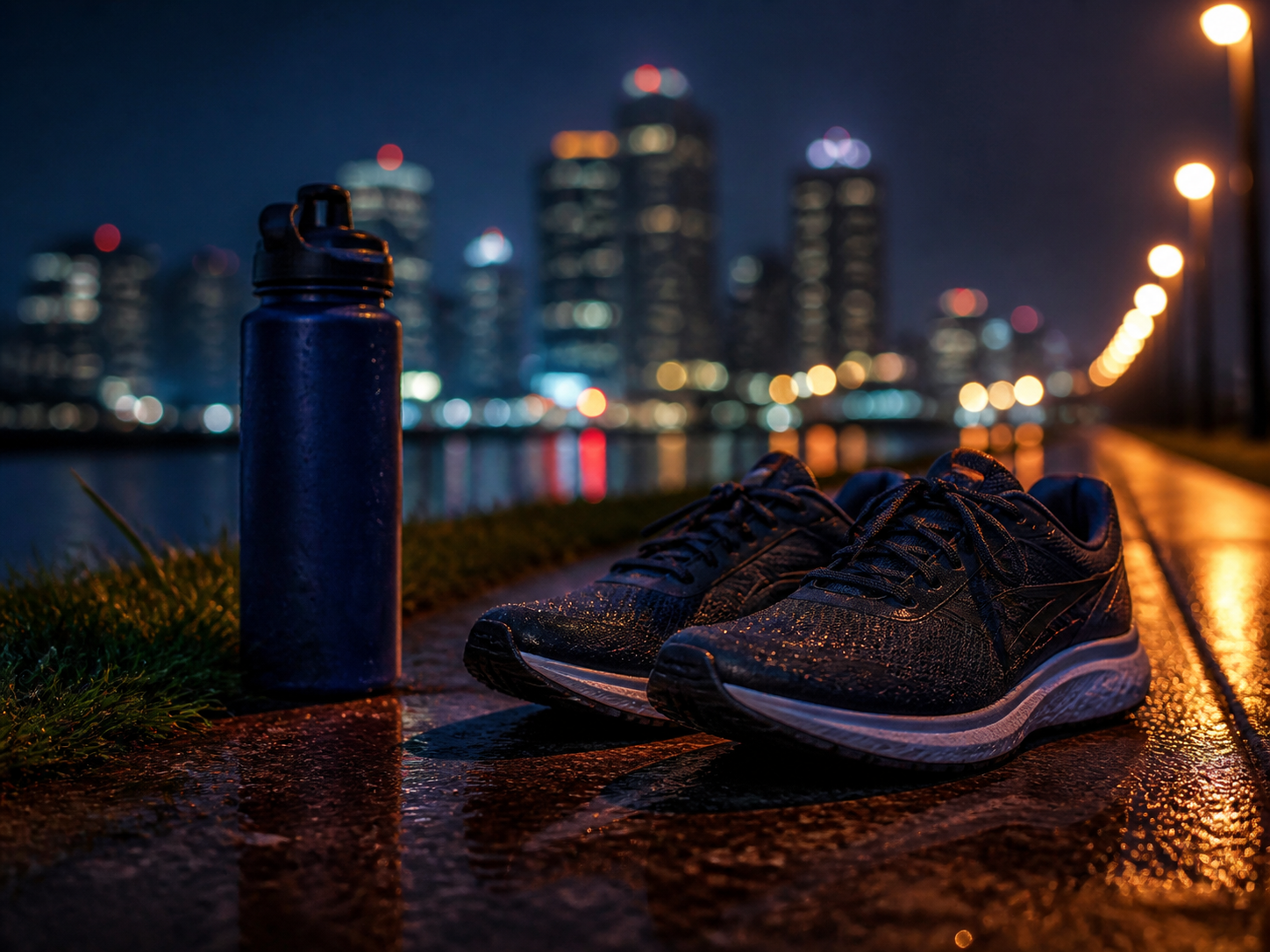
Definition: A running race is an organized event with a set distance, marked course, timing method, safety plan, and start schedule. In Michigan, that can mean a neighborhood 5K, a certified road marathon, a cross-country style trail race, a relay, a turkey trot, or a charity run that welcomes walkers and runners.
Do not judge a race only by distance. A flat 10K in April, a humid 10K in July, and a sandy trail 10K in September are different athletic tasks. The same watch pace can feel smooth in one race and reckless in another.
How to Choose Your 2026 Race Calendar
Start with your current weekly mileage and injury history. If you run 10 miles per week now, a spring marathon may be too rushed. If you already run 30 miles per week, a half marathon or full marathon later in the year may be reasonable. “The best race for you is the one that asks for growth, not gambling.”
Use this simple three-race model:
- Goal race: The event you train for with the most focus. This could be a fall half marathon, a summer trail race, or a spring 10K.
- Tune-up race: A shorter event 4 to 8 weeks before the goal race. It tests pacing, fueling, shoes, and nerves.
- Fun race: A low-pressure 5K, relay, community run, or themed race that keeps training social.
Best Race Distances by Runner Type
| Runner Type | Best 2026 Race Target | Training Focus | Coach Note |
|---|---|---|---|
| New runner | 5K or 10K | Run-walk consistency, easy pace, basic strength | Choose a local event with low travel stress. |
| Returning runner | 10K or half marathon | Base mileage, strides, gradual long runs | Do not copy your old training plan if your current body is different. |
| Busy parent or worker | 5K, 10K, or relay | Three quality weekly runs, short strength sessions | Pick a race close to home to protect sleep. |
| Experienced road runner | Half marathon or marathon | Race pace workouts, fueling, course simulation | Fall often gives the best weather window. |
| Adventure runner | Trail race or gravel event | Hills, foot strength, time on feet | Train by effort, not only pace. |
Michigan Weather: Train for the Conditions You Will Race In
Weather is not a footnote in Michigan. It is part of the race. Early spring can bring cold rain, wind, and soft ground. Summer can bring heat, humidity, and intense sun. Fall can feel perfect, but morning starts may be cold enough to change warm-up needs.
Spring Racing
Spring races are built in winter. That means you need a safe plan for slippery days. Use treadmill runs, indoor tracks, or effort-based outdoor runs when roads are icy. A spring 5K or 10K is a strong choice for runners who kept a winter base. A spring marathon is best for athletes who can train through winter without big gaps.
Summer Racing
Summer races should be paced by effort. Heat raises heart rate and makes goal pace feel harder. If you train at 7 a.m. but race at 7 p.m., practice one evening workout every 1 to 2 weeks. Hydration matters, but so does pacing. Start 10 to 20 seconds per mile slower than your cool-weather goal pace in hot conditions, then adjust after the first mile.
Fall Racing
Fall is the prime season for many Michigan runners. You get long daylight for summer training and cooler weather for racing. This is a strong window for half marathons, marathons, and personal records. The main risk is doing too much in summer heat. Build gradually, keep easy days easy, and let fitness arrive.
A 12-Week Framework for Running Races in Michigan 2026
This framework works for a 10K or half marathon if you adjust long-run length. Beginners can use run-walk intervals. Experienced runners can add race pace segments. The goal is simple: build durability first, speed second.
Weeks 1 to 4: Base and Body Prep
- Run 3 to 5 days per week depending on your background.
- Keep most runs conversational.
- Add 4 to 6 relaxed strides after one easy run each week.
- Do two 20-minute strength sessions: squats, hip hinges, calf raises, rows, planks, and side planks.
- Increase weekly mileage by no more than your body can absorb. For many runners, 5 to 10 percent is enough.
Weeks 5 to 8: Specific Fitness
Add one workout per week. For a 5K or 10K, use intervals such as 6 x 2 minutes hard with 2 minutes easy. For a half marathon, use tempo work such as 3 x 8 minutes at comfortably hard effort. Keep the long run steady, not heroic.
“Fitness improves during recovery from training, not during the part where you prove how tough you are.” If your legs feel flat for more than three days, cut the next workout by one-third and sleep more.
Weeks 9 to 11: Race Rehearsal
Practice the details you will use on race day. Wear the shoes and socks you plan to race in. Test breakfast. Try the same warm-up. If your race has hills, include hills. If it is near water, practice windy pacing by effort. If it is a trail race, get off pavement weekly.
Week 12: Taper
Reduce volume, keep rhythm. A taper is not total rest. Run short, easy miles with a few quick strides so your legs stay awake. Two days before the race, avoid long walks, heavy lifting, and new foods.
Course Selection: Road, Trail, or Lakefront?
Road races are best for pace goals because footing is steady and mile splits are easier to compare. Trail races are best for strength, focus, and scenery, but they demand patience. Lakefront races can be beautiful and fast, but wind can turn a personal record attempt into a pacing lesson.
If you are chasing a time, pick a certified, well-supported road course with clear aid stations. If you are chasing experience, pick a route that excites you enough to train on tired days. Motivation is not everything, but it helps.
Race Week Checklist
- Confirm start time, parking, packet pickup, and bathroom options.
- Check the hourly forecast, not just the daily high.
- Lay out shoes, socks, shorts, top, bib clips or pins, watch, hat, and fuel.
- Eat familiar carbohydrate-rich meals the day before longer races.
- Set a realistic A, B, and C goal.
- Warm up 10 to 20 minutes for a 5K or 10K, shorter and easier for a half or marathon.
- Start controlled. Passing runners late is better than surviving the final mile.
Pacing Rules That Work in Michigan
Flat, cool courses allow tighter pace targets. Rolling, hot, windy, or trail courses need effort targets. On hills, keep breathing steady and let pace slow. Into wind, tuck behind a group if legal and comfortable. In heat, respect heart rate and perceived effort. A smart race can still be hard. It just should not become desperate before halfway.
For a 5K, the first mile should feel controlled, the second mile firm, and the final mile aggressive. For a 10K, avoid racing the first 2 miles like a 5K. For a half marathon, the first 5K should feel almost too calm. For a marathon, patience is the race plan.
Common Mistakes to Avoid
- Registering for too many events: Racing every weekend turns training into recovery management.
- Ignoring terrain: A trail half marathon is not the same stress as a flat road half.
- Training too fast: Easy miles build the engine. Save hard running for planned workouts.
- Skipping strength: Michigan hills, trails, and winter footing all reward strong hips, calves, and feet.
- Changing gear on race day: New shoes, socks, fuel, or breakfast can ruin a good block of training.
Q&A: Running Races in Michigan 2026
What is the best month to race in Michigan?
For fast times, many runners do well in September, October, and early November because cooler air helps pacing. Spring can also be good, but winter training consistency matters.
Should beginners start with a 5K or 10K?
Most beginners should start with a 5K. It is long enough to require training but short enough to recover from quickly. A 10K is a good second target after 8 to 12 weeks of steady running.
How many races should I run in one year?
For most recreational runners, 3 to 6 races is plenty. One or two can be goal races, while the others can be tune-ups or fun events.
Do I need trail shoes for Michigan trail races?
You may not need them for dry, smooth paths, but trail shoes help on mud, roots, sand, and uneven ground. If the course is technical, practice in the shoes before race day.
How early should I start training?
Plan 8 to 12 weeks for a 5K or 10K, 12 to 16 weeks for a half marathon, and 16 to 20 weeks for a marathon. Add extra time if you are returning from injury.
Final Coach Takeaway
The best approach to running races in Michigan 2026 is simple: choose races that match your life, train for the season, respect the course, and arrive with a plan. You do not need a packed calendar to become a better runner. You need the right races at the right time.
Pick one event that excites you, one that teaches you, and one that lets you enjoy the running community. Then train with patience. Michigan will give you wind, hills, heat, cold, trails, roads, and crowds. Your job is to show up ready for the version of race day you actually get.