





Quick answer: Yoga Sculpt is a fitness class that blends yoga poses, light dumbbells, bodyweight strength work, core training, and cardio bursts into one high-energy session. A typical class lasts 45 to 60 minutes, uses weights from 2 to 10 pounds, and targets muscular endurance more than max strength. If you like yoga flow but want more sweat, stronger legs, and a clearer conditioning effect, Yoga Sculpt can be a smart choice when you scale it well.
The mistake many beginners make is treating Yoga Sculpt like a calm stretch class with weights added. It is not that. It is closer to circuit training built around yoga shapes. You may move from chair pose to squats, from plank to push-ups, from warrior II to lateral raises, then into a core finisher. The pace can feel athletic fast.
“Yoga Sculpt works best when you respect both halves of the name: yoga gives you position, sculpt gives you load.”
This coach’s guide explains what is Yoga Sculpt, who it suits, what muscles it trains, how to pick weights, and how to avoid the form errors that turn a good class into sore wrists, cranky shoulders, or an angry low back.
What Is Yoga Sculpt?
Yoga Sculpt is a hybrid workout that combines yoga-inspired movement with resistance training and cardio intervals. It often uses dumbbells, high-rep bodyweight moves, planks, lunges, squats, and standing balance work. The word sculpt usually refers to muscle tone and endurance, not spot reduction or instant body reshaping.
Muscular endurance is the ability of a muscle to keep producing force over repeated reps or longer holds. Yoga Sculpt trains this heavily because sets are often timed and reps are usually moderate to high.
Flow means linking movements together with rhythm and breath. In Yoga Sculpt, flow may be slower than a dance class but faster than a traditional strength session.
Low impact means one foot can stay on the floor and jumping is optional. Many Yoga Sculpt classes include jumps, but a good coach should offer step-back or step-out options.
How Yoga Sculpt Differs From Regular Yoga
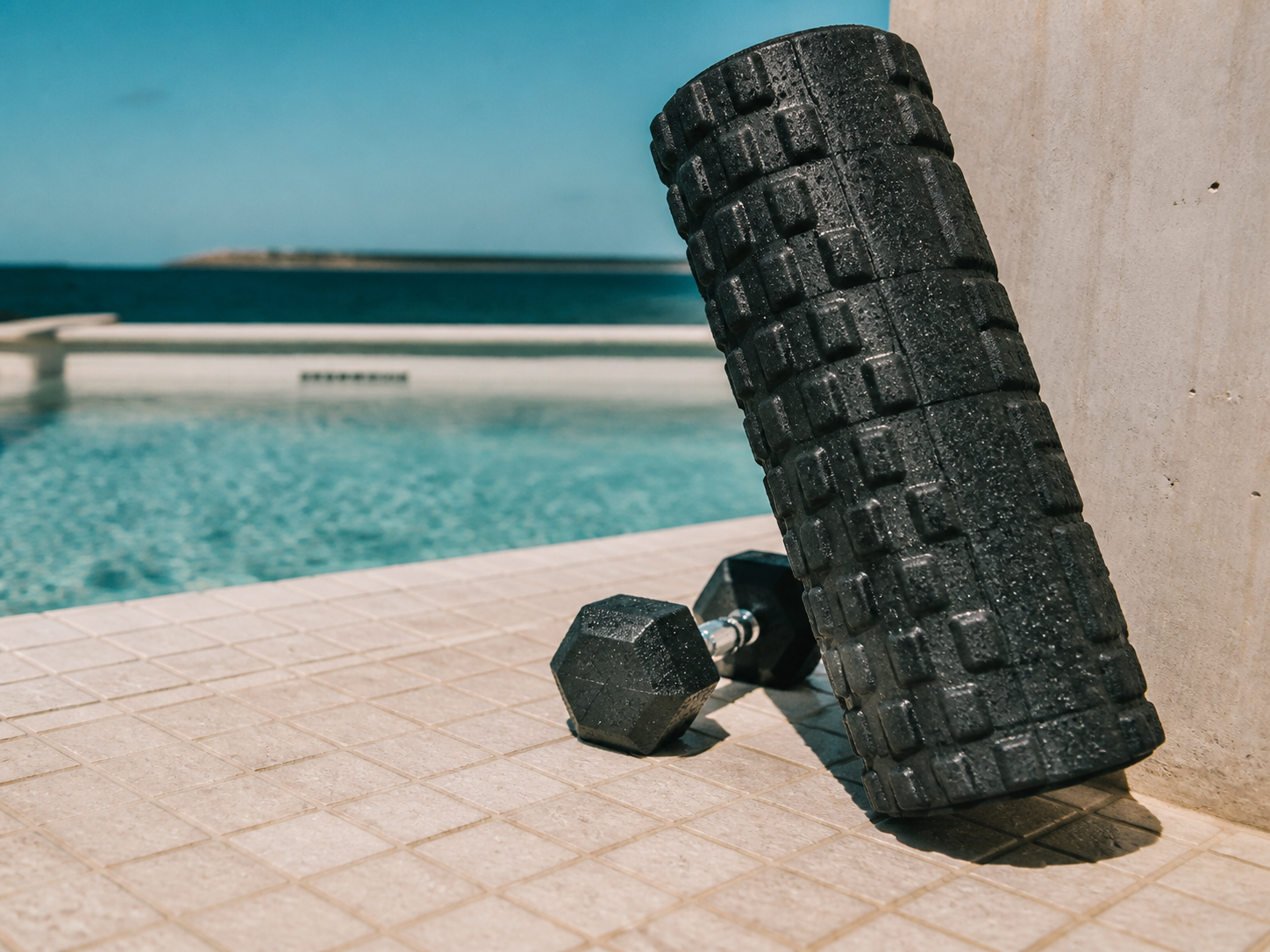
Regular yoga can build strength, balance, mobility, breath control, and body awareness. Yoga Sculpt adds external load and conditioning. That changes the goal of the session. Instead of holding warrior II mainly for alignment, breathing, and hip stamina, you might hold warrior II while doing biceps curls or shoulder raises. Instead of a slow plank hold, you might do plank rows, mountain climbers, or push-ups.
That does not make Yoga Sculpt better than yoga. It makes it different. A restorative class helps downshift the nervous system. A power yoga class builds flow and bodyweight control. A Yoga Sculpt class pushes heart rate, local muscle fatigue, and training density.
“If regular yoga teaches you where your body is, Yoga Sculpt asks whether you can keep that position under fatigue.”
What Muscles Does Yoga Sculpt Train?
A well-designed class trains nearly the whole body, with extra attention on legs, glutes, shoulders, arms, and core. Because weights are often light, the burn can be intense but the strength ceiling is limited. You are building stamina and control, not testing a one-rep max.
| Class section | Common moves | Main target | Coach note |
|---|---|---|---|
| Warm-up | Sun salutations, cat-cow, bodyweight squats | Joints, breath, temperature | Move easy before adding weights |
| Leg block | Chair pose, lunges, squats, pulses | Quads, glutes, calves | Knees track with toes |
| Upper-body block | Curls, rows, lateral raises, presses | Shoulders, back, arms | Use lighter weights than ego wants |
| Core block | Planks, dead bugs, boat pose, slow climbers | Abs, obliques, trunk | Keep ribs and pelvis controlled |
| Cardio burst | Skaters, step-backs, squat to reach | Heart, lungs, legs | Jumping is optional |
| Cooldown | Hip flexor stretch, figure-four, breathing | Recovery | Slow down before leaving |
Benefits of Yoga Sculpt
The biggest benefit is training efficiency. In one class, you can get movement practice, strength endurance, balance, core work, and moderate cardio. For busy people who struggle to fit separate workouts into the week, that matters.
1. Better strength endurance
High-rep squats, lunges, presses, rows, and planks build the ability to keep good positions under fatigue. That carries over to hiking, recreational sports, long workdays on your feet, and general fitness.
2. More body awareness under load
Yoga shapes give clear positions. Dumbbells add feedback. If your ribs flare during overhead work or your front knee dives during lunges, you will feel it quickly.
3. Cardio without a treadmill
Because rest is short and movements are linked, heart rate climbs. You can make the class more aerobic by choosing lower-impact options and steady breathing instead of sprinting every burst.
4. Accessible equipment
Most people only need a mat and one or two pairs of light dumbbells. At home, water bottles can work for the first session, though real dumbbells are safer once you commit.
Who Should Try Yoga Sculpt?
Yoga Sculpt suits people who already tolerate basic squats, lunges, planks, and overhead arm motion. It is a strong fit if you enjoy group energy, want a sweaty class, and prefer a fitness session that changes positions often.
It may not be the best first step if you are brand new to exercise, recovering from a shoulder or wrist injury, pregnant without guidance from a qualified professional, or dealing with uncontrolled blood pressure, dizziness, or sharp joint pain. In those cases, get medical clearance or start with a slower strength or beginner yoga class.
“The right class should challenge your breathing and muscles, not force you to bargain with joint pain.”
How Heavy Should Your Weights Be?
Start lighter than you think. For many beginners, 2 to 5 pound dumbbells are enough for shoulder raises and long upper-body sequences. For squats and lunges, 5 to 10 pound dumbbells may work. Advanced participants might use heavier weights for lower-body moves, but Yoga Sculpt is rarely the place for maximal loading.
Use the clean-rep rule
- If your shoulders shrug toward your ears, go lighter.
- If your low back arches during overhead work, go lighter or skip weights.
- If you cannot control the lowering phase, go lighter.
- If your breath becomes panic breathing, slow down before adding weight.
- If the class uses long arm sequences, pick the weights you can control at minute 40, not minute 5.
Common Yoga Sculpt Mistakes
The most common mistake is using weights that are fine for 8 reps but terrible for 40 seconds of nonstop movement. Another is letting speed replace position. When fatigue builds, people shorten lunges, collapse into wrists, twist during rows, and press overhead with a flared rib cage.
Rushing transitions
Fast transitions raise heart rate, but sloppy transitions raise injury risk. Step your feet into place before you lift. Set your hands under shoulders before planks. Make the first rep of every block the cleanest rep.
Doing every jump
Jumping can be useful, but it is not required. Step-back lunges, low-impact skaters, and squat-to-reach variations can keep the session hard without pounding knees or ankles.
Turning every class into a max effort
Two hard Yoga Sculpt classes per week may be plenty if you also run, lift, play sports, or do hot yoga. More is not always better. Watch sleep, mood, soreness, and joint feedback.
A Beginner-Friendly Yoga Sculpt Template
Use this format for a home session or to understand what a balanced class should include. Keep the session around 35 to 45 minutes at first.
- 5 minutes: Easy flow with cat-cow, child’s pose, down dog, forward fold, and bodyweight squats.
- 8 minutes: Lower body with chair pose, reverse lunges, glute bridges, and squat holds.
- 8 minutes: Upper body with light rows, floor press, lateral raises, and biceps curls.
- 5 minutes: Low-impact cardio with step-back lunges, skaters, and mountain climbers from an incline.
- 6 minutes: Core with dead bugs, side planks, and slow boat pose holds.
- 5 minutes: Cooldown with hip flexor stretch, figure-four stretch, chest opener, and slow breathing.
Train at a pace where you can still control your knees, ribs, shoulders, and breath. Sweat is welcome. Panic is not the target.
How Often Should You Do Yoga Sculpt?
Start with 1 or 2 classes per week. Add a third only if your joints feel good and your other training is not suffering. Pair Yoga Sculpt with easier walking, mobility work, or traditional strength training if you want a more complete week.
A simple weekly setup is: Yoga Sculpt on Monday, easy walk or mobility on Tuesday, strength training on Wednesday, rest or light cardio on Thursday, Yoga Sculpt on Friday, outdoor activity on Saturday, and rest on Sunday.
Q&A
Is Yoga Sculpt good for weight loss?
It can help because it burns energy, builds muscle endurance, and supports consistency. Fat loss still depends on overall food intake, protein, sleep, and total weekly activity.
Is Yoga Sculpt strength training?
Yes, but it is mostly strength endurance training. For max strength or major muscle gain, pair it with slower progressive resistance training.
Do I need yoga experience first?
Some experience helps, but it is not always required. If you are new, choose a beginner class, skip weights for complex poses, and ask the coach for options.
Can Yoga Sculpt hurt your wrists?
It can if there are many planks, push-ups, and fast transitions. Use fists, dumbbell handles, blocks, or incline options if wrist extension bothers you.
What should I bring to class?
Bring a mat, water, towel, and light dumbbells if the studio does not provide them. Wear clothing that lets you squat, lunge, and reach overhead without constant adjusting.
Bottom Line
So, what is Yoga Sculpt? It is a yoga-based conditioning workout that uses light weights, bodyweight strength, and cardio intervals to train stamina, balance, and control. Treat it like athletic training, not just stretching with music. Start light, move clean, take low-impact options when needed, and let consistency do the work.