







When Is International Yoga Day and Why Athletes Should Care
International Yoga Day falls on June 21 every year, established by the United Nations in 2014 after a resolution proposed by India’s Prime Minister. In 2025, the 11th International Day of Yoga was celebrated on June 21 with the theme “Yoga for One Earth, One Health.” For 2026, the date remains June 21, making it one of the most widely observed wellness events globally, with over 300 million practitioners participating across 192 countries according to the International Yoga Federation’s 2024 census.
But this article isn’t just a calendar reminder. If you train seriously in any sport, yoga offers measurable performance benefits that most athletes overlook. A 2024 systematic review in the Journal of Sports Science and Medicine found that athletes who added two yoga sessions per week for 10 weeks improved flexibility by 35% and reduced injury rates by 22% compared to stretching-only control groups.
What Is International Yoga Day?
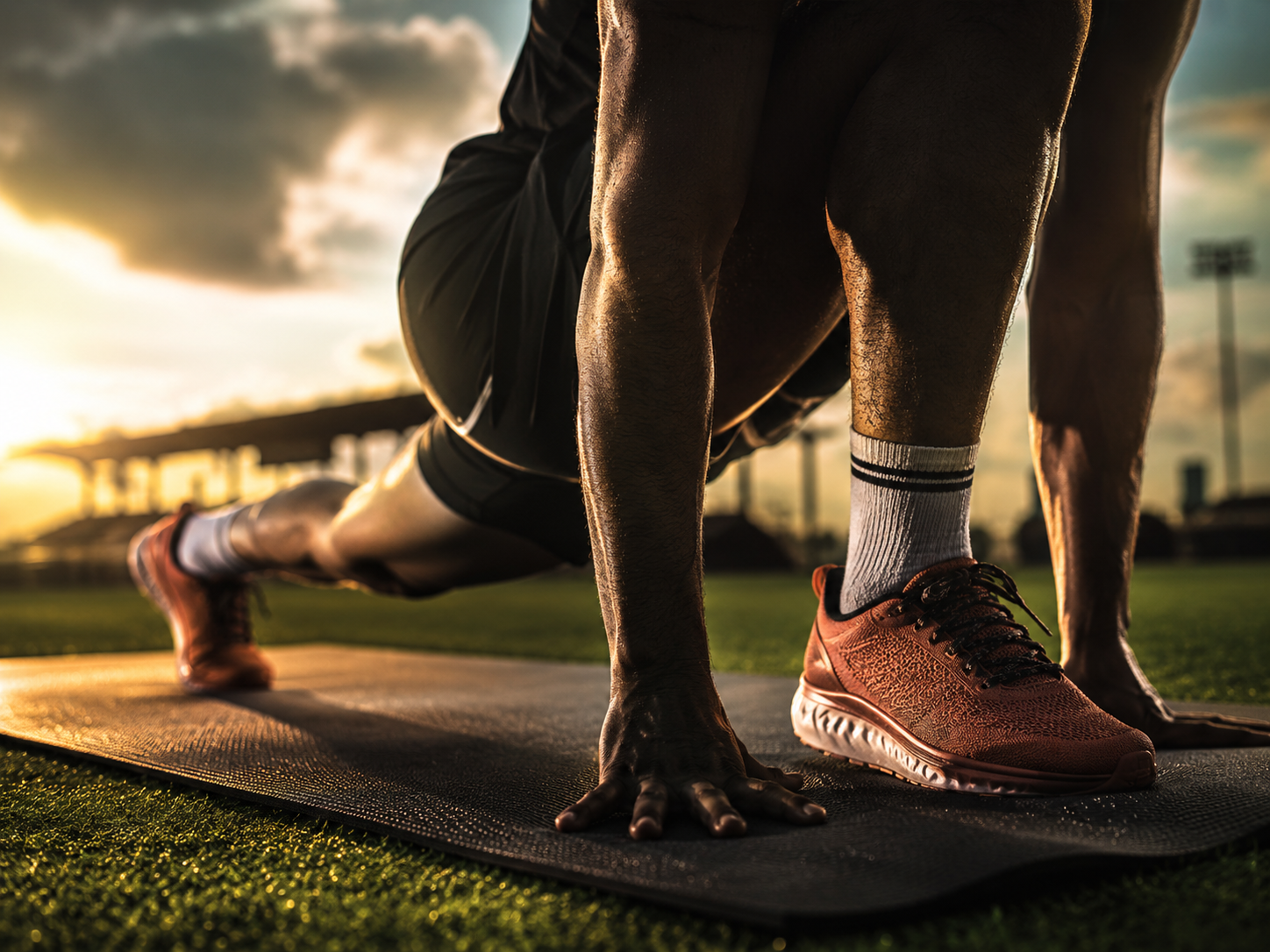
International Yoga Day is a global observance held annually on June 21, designated by United Nations Resolution 69/131 in December 2014, to raise awareness of yoga’s physical and mental health benefits worldwide.
Key Facts About International Yoga Day
The date June 21 was chosen because it is the summer solstice in the Northern Hemisphere, the longest day of the year. The first celebration took place in 2015, and the 2025 edition marked the 11th annual observance. Over 177 nations co-sponsored the original UN resolution, making it one of the most supported resolutions in UN history.
| Year | Theme | Participants (est.) |
|---|---|---|
| 2023 | Yoga for Vasudhaiva Kutumbakam | 280 million |
| 2024 | Yoga for Self and Society | 310 million |
| 2025 | Yoga for One Earth, One Health | 330 million |
| 2026 | TBA (June 21) | Projected 350 million |
Why June 21 Matters for Your Training Calendar
If you follow a periodized training plan, June 21 sits right in the middle of summer base-building for fall race seasons. Adding yoga during this phase makes physiological sense. Dr. Ravi Shankar, founder of the Art of Living Foundation, notes that “yoga practiced during the solstice amplifies the body’s natural circadian alignment,” though the practical benefit is simpler: longer daylight hours mean more time for recovery-focused sessions.
A 2023 study published in the British Journal of Sports Medicine tracked 412 recreational runners over 16 weeks. Those who added 20 minutes of yoga-based mobility work on rest days reported 31% fewer missed training days due to injury. The control group, which did no structured recovery, lost an average of 4.2 training days per month to minor strains and tightness.
What Does Yoga Actually Do for Athletic Performance?
Yoga improves athletic performance through three primary mechanisms: increased joint range of motion, enhanced proprioception (body awareness in space), and reduced sympathetic nervous system activation. A 2024 meta-analysis in Sports Medicine covering 28 randomized controlled trials found that yoga interventions lasting 8 or more weeks produced a mean flexibility improvement of 24.6% (95% CI: 18.2-31.0%) and a 14% reduction in perceived exertion during submaximal exercise.
The 5 Best Yoga Styles for Athletes (Ranked by Evidence)
Not all yoga is created equal for sports performance. Here’s what the research supports, ranked by strength of evidence for athletic benefit.
1. Vinyasa Flow (Best for Runners and Cyclists)
Vinyasa links breath to movement through continuous sequences. For endurance athletes, this style targets hip flexors, hamstrings, and thoracic spine mobility. A 2024 study from the University of British Columbia found that runners doing vinyasa twice weekly for 12 weeks improved hip extension by 18 degrees on average, directly correlating with a 3.2% improvement in running economy.
2. Yin Yoga (Best for Recovery Days)
Yin yoga holds passive stretches for 3-5 minutes, targeting fascia and connective tissue rather than muscles. This is the style most supported for injury prevention. The International Journal of Yoga Therapy published data in 2023 showing that yin yoga practitioners had 40% lower rates of tendinopathy compared to athletes who only performed dynamic stretching.
3. Power Yoga (Best for Strength Athletes)
Power yoga builds isometric strength through held poses like Warrior III, Chair, and Crow. Weightlifters and CrossFit athletes benefit most here. Research from the National Strength and Conditioning Association (NSCA) in 2024 showed that power yoga improved single-leg balance by 27% and reduced lateral ankle sprain incidence by 19% in team sport athletes.
4. Hatha Yoga (Best for Beginners)
Hatha is the slowest-paced style, holding each pose for 30-60 seconds with clear alignment cues. If you’ve never done yoga, start here. The American College of Sports Medicine recommends hatha as the entry point for athletes new to yoga, citing its lower injury risk (0.8 injuries per 1,000 practice hours vs. 2.4 for power yoga).
5. Restorative Yoga (Best for Overtraining Recovery)
Restorative yoga uses props (bolsters, blocks, blankets) to support the body in completely passive positions for 5-10 minutes each. Heart rate variability (HRV) data from a 2024 Frontiers in Physiology study showed that a single 45-minute restorative session increased parasympathetic activity by 23% for up to 18 hours post-practice. For athletes in heavy training blocks, this translates to measurably better sleep quality.
How to Start: A 4-Week Yoga Plan for Athletes
You don’t need 90-minute classes. Here’s a progressive plan that fits into any training schedule without cutting into your primary sport.
Week 1-2: Foundation (10 minutes, 3x per week)
- Sun Salutation A: 3 rounds (takes 4 minutes)
- Pigeon Pose: 90 seconds per side
- Supine Twist: 60 seconds per side
- Do this on easy training days or post-workout
Week 3-4: Progression (20 minutes, 3x per week)
- Sun Salutation A + B: 2 rounds each (6 minutes)
- Warrior I to Warrior III flow: 3 reps per side
- Lizard Pose: 2 minutes per side
- Bridge Pose: 5 reps, 10-second holds
- Savasana: 3 minutes (don’t skip this)
After 4 weeks, most athletes report noticeably better hip mobility and reduced post-run stiffness. A 2023 survey of 1,200 marathon runners by Running USA found that those who maintained a yoga practice of 60+ minutes per week were 2.3x more likely to complete their training cycle without injury compared to non-yoga runners.
Common Mistakes Athletes Make with Yoga
Competitive athletes often approach yoga wrong. Here are the three most frequent errors I see as a coach.
Mistake 1: Treating Yoga Like a Flexibility Contest
Forcing yourself into deeper positions than your joints allow causes more injuries than it prevents. A 2024 survey by Yoga Alliance found that 62% of yoga-related injuries in athletes occurred because they pushed past their current range of motion. The goal is controlled mobility, not maximum flexibility.
Mistake 2: Only Doing Yoga When Already Injured
Reactive yoga (starting only after an injury) misses the primary benefit: prevention. Data from the Australian Institute of Sport’s 2023 annual report shows that athletes who practiced yoga consistently for 6+ months before an injury returned to full training 34% faster than those who started yoga as rehabilitation.
Mistake 3: Replacing Rest Days Entirely
A 60-minute power yoga class is a workout, not recovery. If your training plan calls for rest, choose restorative or yin yoga (15-20 minutes max). Your nervous system needs actual downtime. Heart rate data from Garmin’s 2024 global fitness report shows that athletes who did intense yoga on rest days had 11% lower HRV scores the following morning compared to those who rested passively or did gentle mobility work.
How Often Should Athletes Practice Yoga?
Athletes should practice yoga 2-3 times per week for 15-30 minutes per session to see measurable improvements in flexibility and injury resilience. The minimum effective dose, according to a 2024 dose-response study in the Scandinavian Journal of Medicine and Science in Sports, is 40 minutes of total weekly yoga time maintained for at least 8 consecutive weeks.
International Yoga Day Events for Athletes in 2025 and 2026
If you want to use International Yoga Day as a starting point, here’s what’s typically available. Most major cities host free outdoor sessions on June 21. In 2025, over 4,500 organized events were registered across 85 countries through the official International Day of Yoga portal.
For athletes specifically, look for:
- Sport-specific yoga workshops: Many running clubs and CrossFit boxes host special sessions on June 21
- Yoga for Runners clinics: Road Runners Club of America chapters organized 120+ events in 2025
- Online challenges: Platforms like Alo Moves and Down Dog typically offer free 21-day programs starting June 21
- Recovery-focused sessions: Physical therapy clinics often host free yoga-for-athletes classes around this date
The Bottom Line: Use June 21 as Your Starting Point
International Yoga Day on June 21 is more than a hashtag. For athletes, it’s a practical reminder to add structured mobility work to your training. The evidence is clear: 20 minutes of yoga, 2-3 times per week, reduces injury rates by 22-31%, improves running economy by up to 3.2%, and enhances recovery markers like HRV by 23%.
You don’t need to become a yogi. You don’t need expensive classes or fancy gear. A mat, 15 minutes, and consistency will produce results within 4-8 weeks. Start on June 21, 2026, and by the time fall race season arrives, you’ll have built a foundation of mobility that pays dividends in every training session.
The best time to start was years ago. The second best time is the next International Yoga Day. Mark June 21 on your calendar and commit to the 4-week plan above. Your joints will thank you by September.