




Post workout nutrition timing for muscle growth matters most when your last full meal was more than 4 hours before training, when you train twice in one day, or when total daily protein is low. For most lifters, the useful target is 25 to 40 grams of high quality protein within 0 to 2 hours after lifting, plus 0.5 to 1.0 grams of carbohydrate per kilogram when the next hard session is within 24 hours. The bigger driver is still daily intake: a 2018 British Journal of Sports Medicine meta-analysis found muscle gains plateau near 1.6 grams of protein per kilogram per day during resistance training.
What Post Workout Nutrition Timing Means
Post workout nutrition timing is the planned intake of protein, carbohydrate, fluid, and electrolytes after exercise to support muscle protein synthesis, glycogen restoration, and readiness for the next session. The timing window changes based on your last meal, session length, training age, and next workout.
Muscle protein synthesis is the process your body uses to repair and build muscle proteins after training and feeding. Resistance exercise raises the signal, while essential amino acids, especially leucine, provide the building blocks that let the signal turn into new tissue.
The old bodybuilding rule said you had 30 minutes or you missed the growth window. That is too strict. The better coaching rule is this: if you ate protein 1 to 3 hours before lifting, the post workout window is wider; if you trained fasted or ate only a small snack, it is narrower.
The International Society of Sports Nutrition position stand on nutrient timing, published in 2017, states that nutrient timing can help performance and body composition, but its value depends on total daily intake, the training bout, and the time between sessions. That is the lens I use with athletes because it stops people from obsessing over a shaker bottle while ignoring the rest of the day.
The Practical Target: Protein First, Carbs Second
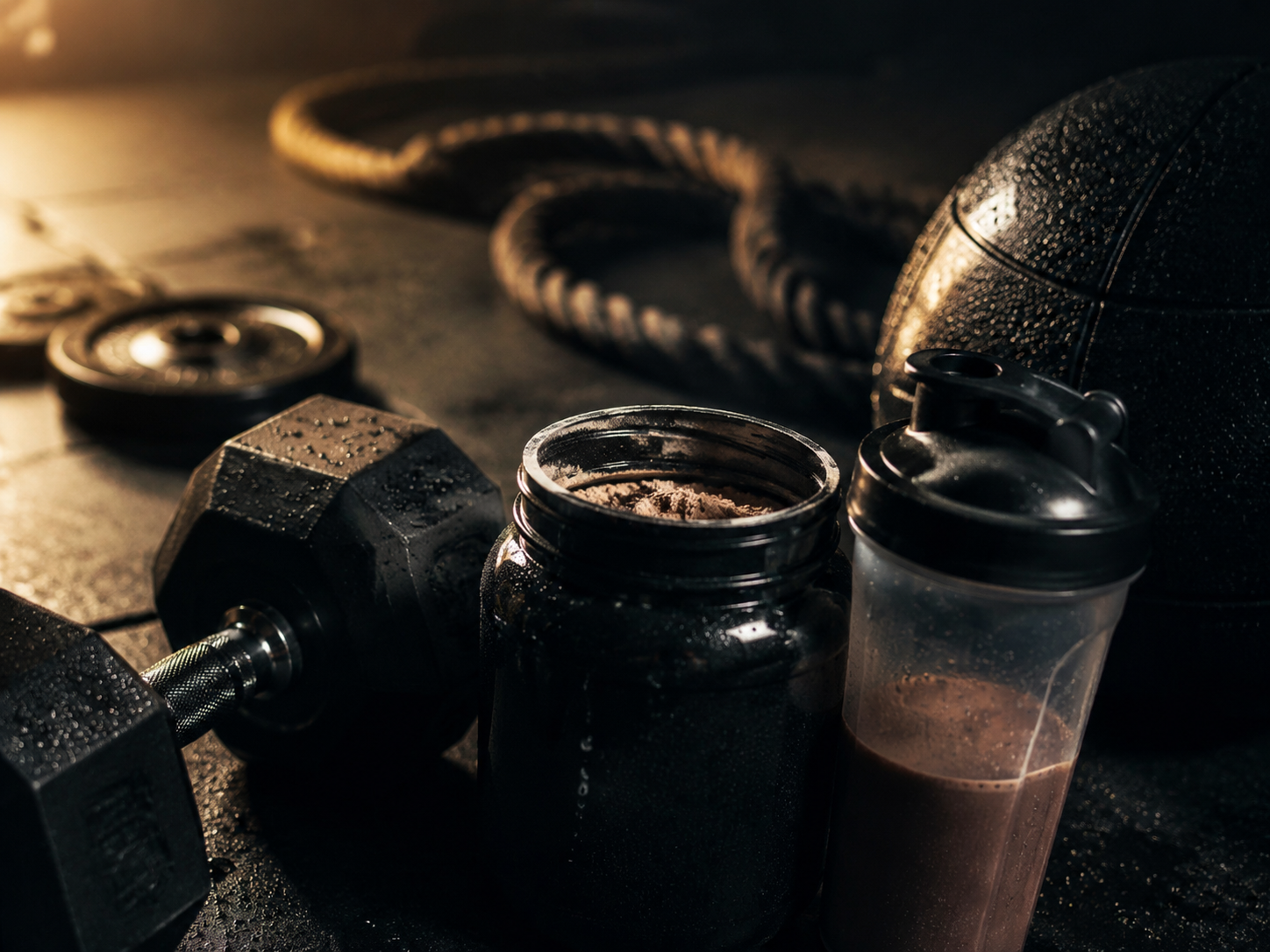
For hypertrophy training, your first job after lifting is to hit a protein dose large enough to supply essential amino acids. For most adults, that means 0.25 to 0.40 grams of protein per kilogram in the meal after training. A 75 kg lifter would aim for 19 to 30 grams, while a 100 kg lifter would aim for 25 to 40 grams.
A useful field target is 25 to 40 grams of protein in the first 2 hours after lifting, with the higher end for larger athletes, older lifters, and sessions above 75 minutes. Research by Moore and colleagues in 2009 found that 20 grams of egg protein maximally stimulated muscle protein synthesis after lower body resistance exercise in young men, while later sports nutrition guidelines often place heavier or older athletes closer to 30 to 40 grams.
Carbohydrate is not magic for muscle growth by itself, but it matters when training volume is high. If your next hard session is tomorrow or later, 0.5 grams per kilogram in the post workout meal is usually enough. If you train again within 8 to 12 hours, use 1.0 to 1.2 grams per kilogram per hour for the first 3 to 4 hours, a range used in sports nutrition guidance for faster glycogen restoration.
For a 180 pound lifter, the practical post workout target is 30 to 40 grams of protein and 40 to 80 grams of carbohydrate, adjusted by session length and the next training time.
What Is the Anabolic Window?
The anabolic window is the period after resistance training when muscle is more responsive to amino acids and repair signals. It is not a 30 minute countdown; in trained lifters it can last several hours, but it becomes more urgent when pre workout protein was missed.
A 2013 meta-analysis by Schoenfeld, Aragon, and Krieger reviewed protein timing studies and reported that timing alone did not clearly improve strength or hypertrophy once total daily protein was accounted for. That finding changed coaching practice. The post workout shake still has a place, but it should be used to complete the day’s protein plan, not to rescue a poor diet.
The best timing question is not “Did I drink protein fast enough?” It is “Will this meal help me reach my total protein target by bedtime?” If the answer is yes, your timing is probably good enough.
Comparison Table: Match Timing to Your Training Situation
| Training situation | Best post workout timing | Protein target | Carb target | Coach’s note |
|---|---|---|---|---|
| Fasted morning lift | Within 60 minutes | 0.30 to 0.40 g/kg | 0.5 to 1.0 g/kg | This is the tightest window because amino acids were low before training. |
| Lift 1 to 3 hours after a protein meal | Within 2 to 3 hours | 0.25 to 0.35 g/kg | 0.3 to 0.7 g/kg | The pre workout meal is still feeding the system. |
| Two workouts in one day | Within 30 to 60 minutes | 0.30 g/kg | 1.0 to 1.2 g/kg/hour for 3 to 4 hours | Speed matters more because glycogen must be restored quickly. |
| Late night strength session | Before bed | 30 to 40 g, preferably casein rich | As needed for daily calories | Pre sleep protein can support overnight amino acid availability. |
| Fat loss phase | Within 2 hours | 0.35 to 0.45 g/kg | Based on calorie budget | Keep protein high to protect lean mass. |
How Much Daily Protein Makes Timing Work?
Daily protein sets the ceiling. The 2018 BJSM systematic review and meta-analysis by Morton and colleagues included 49 studies and 1,863 participants. It found that protein supplementation improved one-repetition maximum strength by 2.49 kg, fat-free mass by 0.30 kg, and muscle fiber cross-sectional area by 310 square micrometers, with diminishing returns around 1.6 g/kg/day.
The strongest evidence for muscle growth points to total protein first: Morton et al. reported a plateau near 1.6 g/kg/day across 49 resistance training studies.
For coaching, I give most lifters a daily range of 1.6 to 2.2 g/kg/day. The lower end fits maintenance calories and consistent meal planning. The higher end fits dieting phases, older lifters, and people who prefer more filling meals.
Spread that protein over 3 to 5 feedings. A clean pattern is 0.4 g/kg at breakfast, lunch, post workout, and dinner. A 75 kg lifter would get about 30 grams each time, landing at 120 grams for the day.
Q&A: Should You Eat Immediately After Every Workout?
Do you need protein within 30 minutes after lifting?
No, you do not need protein within 30 minutes after lifting if you ate a protein rich meal 1 to 3 hours before training. In that case, eating within 2 to 3 hours after the session is usually enough for post workout nutrition timing for muscle growth.
The exception is the fasted morning lifter. If you train at 6 a.m. after 9 to 11 hours without food, I want protein in your system within 60 minutes. Not because 61 minutes ruins the workout, but because you have already gone half a day without amino acids by the time training ends.
Is whey better than whole food after training?
Whey is faster and convenient, but whole food works if it delivers enough essential amino acids. A shake with 30 grams of whey protein is useful when appetite is low. A meal with 150 grams of cooked chicken breast, rice, and fruit can do the same job with more micronutrients.
The real mistake is choosing a 10 gram “recovery” snack and calling it enough. Many bars marketed for fitness contain 8 to 12 grams of protein, which is closer to a snack than a muscle building dose for most adults.
The 4 Step Post Workout Plate
- Pick the protein dose. Use 0.25 to 0.40 g/kg. Most lifters land between 25 and 40 grams.
- Add carbs based on the next session. Use 0.5 g/kg if you train again tomorrow, or up to 1.2 g/kg/hour if you train again the same day.
- Replace fluid. Weigh before and after long sessions. Drink 1.25 to 1.5 liters for each kilogram lost, a common sports dietitian target for rehydration.
- Check the daily total. Finish the day at 1.6 to 2.2 g/kg protein before worrying about supplements.
Here is the simple version I give busy clients: protein in every meal, carbs around hard training, water and sodium when sweat is high. That beats a perfect shake followed by a low protein dinner.
Three Sample Post Workout Meals
Morning lift, 70 kg athlete: 250 grams Greek yogurt, one banana, 40 grams oats, and honey. This gives about 30 grams protein and 65 grams carbohydrate, enough for a normal hypertrophy session.
Evening lift, 85 kg athlete: 170 grams salmon, 300 grams cooked potatoes, vegetables, and fruit. This gives about 40 grams protein and 70 to 80 grams carbohydrate, with omega-3 fats that support a health focused diet.
Same day double session, 75 kg athlete: 30 grams whey, 90 grams cereal or rice cakes, and an electrolyte drink right after session one. Follow with a full meal within 2 hours. The goal is not gourmet eating; it is rapid refueling before the second bout.
When the next hard workout is less than 12 hours away, carbohydrate timing becomes performance nutrition, not just calorie math.
Common Mistakes That Slow Muscle Gain
The first mistake is underdosing protein after training. If your post workout meal has less than 20 grams of high quality protein, it probably does not maximize muscle protein synthesis unless you are a very small athlete.
The second mistake is skipping carbohydrates during high volume blocks. Low carb meals can fit rest days, but hard leg sessions, sprint work, and two-a-days need glycogen. A flat workout tomorrow often starts with poor refueling today.
The third mistake is copying elite athlete routines without matching their workload. A 95 kg rugby player doing two sessions per day has different nutrition needs from a 68 kg recreational lifter training four times per week.
A Coach’s Bottom Line
Post workout nutrition timing for muscle growth is important, but it is not fragile. Eat 25 to 40 grams of protein after lifting, include carbohydrate based on how soon you train again, and hit 1.6 to 2.2 g/kg/day of protein. If you trained fasted, eat sooner. If you ate before training, you have more room.
The unique insight from coaching logs is simple: the athletes who improve fastest do not have the most complex post workout plan. They have the most repeatable one. A meal you can hit 45 weeks per year beats a perfect protocol you only follow when life is calm.