






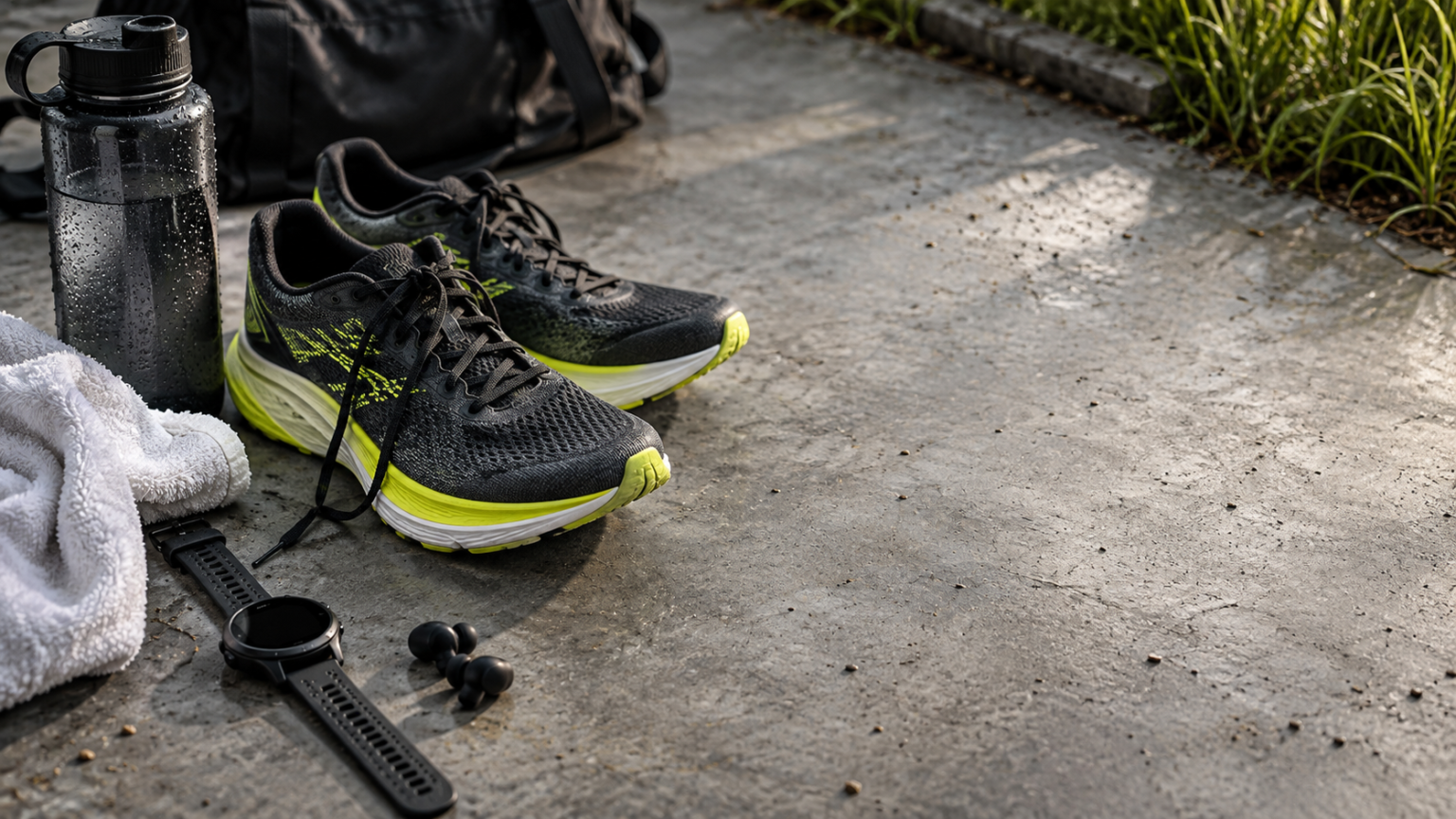
Starting a running routine can improve cardio fitness, support mental well-being, and provide an accessible form of exercise. However, many beginners develop pain along the front or inner edge of the lower leg. Learning how to prevent shin splints when starting to run can help you build fitness more comfortably and recognize when ordinary training soreness may be something more serious.
What Are Shin Splints?
“Shin splints” is a common, informal term for pain along the inside or front of the shin. Health professionals often use the term medial tibial stress syndrome for exercise-related pain along the inner border of the tibia. It is generally associated with repeated loading of the lower leg, especially when running volume, intensity, hills, or impact changes faster than the body can adapt.
Possible contributors include a sudden increase in training, running on unfamiliar surfaces, limited ankle mobility, weak or fatigued lower-leg muscles, unsuitable footwear, and individual biomechanics. Shin pain is not always shin splints, though. Stress injuries, muscle strains, nerve irritation, and other conditions can cause similar symptoms.
The guidance in this article is based on a comparison of consistent recommendations from established health and sports-medicine organizations, including the American Academy of Orthopaedic Surgeons, the UK National Health Service, and the American College of Sports Medicine. These sources emphasize gradual progression, appropriate recovery, strengthening, and assessment of persistent or severe pain.
Why New Runners Develop Shin Pain
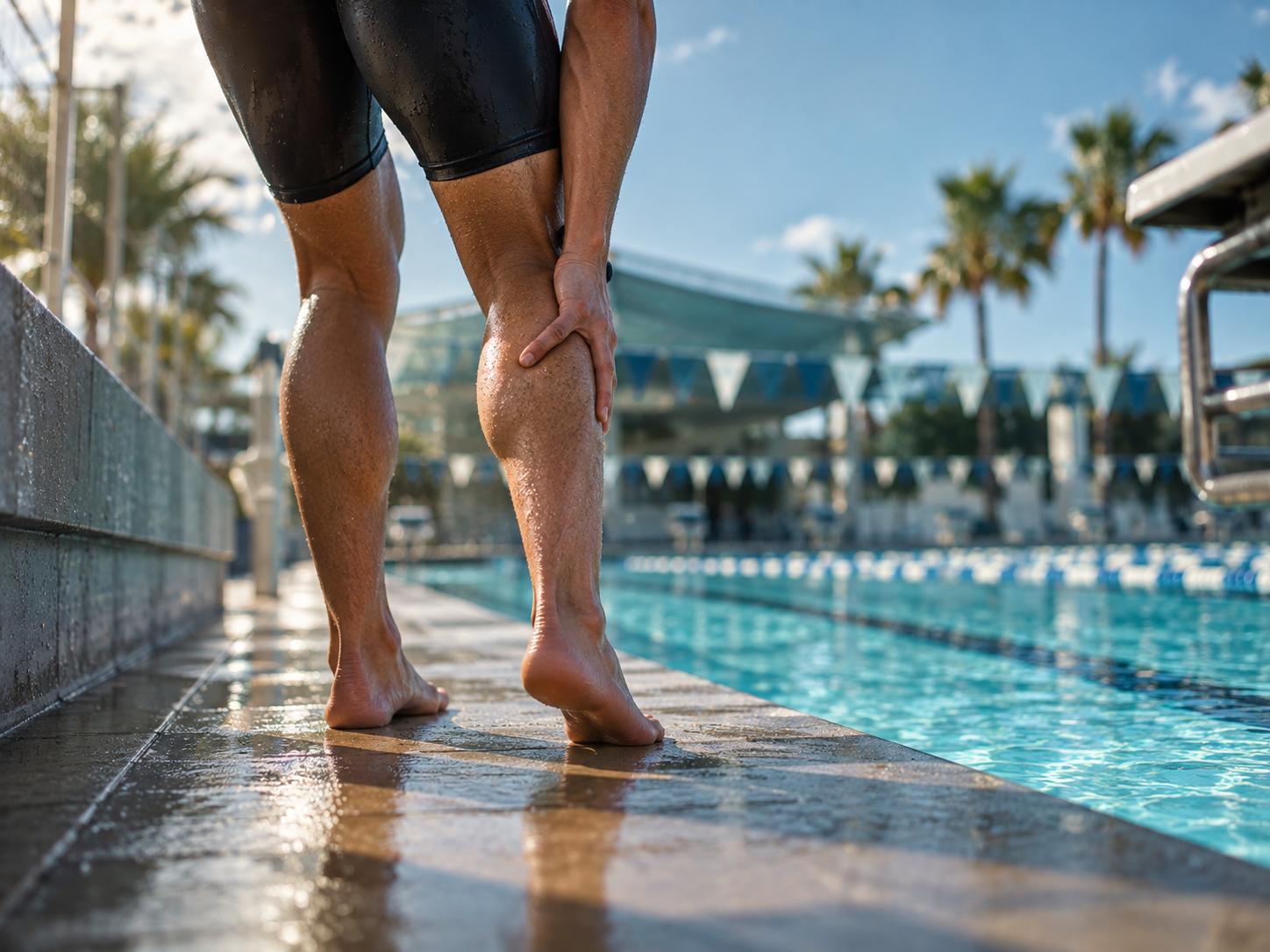
Running places repeated forces through the feet, ankles, lower legs, knees, hips, and trunk. Muscles and bones can adapt to this stress, but adaptation takes time. A beginner may feel capable of running farther because breathing and motivation improve before the tissues of the lower leg are ready for a large increase in impact.
Common training-related causes include:
- Doing too much too soon: Adding distance, speed, hills, or extra running days at the same time can overload the legs.
- Returning too quickly: Previous fitness does not always protect against injury after a long break.
- Running through worsening pain: Ignoring early symptoms can turn a manageable problem into a longer interruption.
- Sudden surface changes: Moving from a treadmill or soft path to concrete, cambered roads, or steep trails changes the demands on the body.
- Insufficient recovery: Poor sleep, repeated hard sessions, and inadequate food intake can reduce the body’s ability to repair itself.
How to Prevent Shin Splints When Starting to Run
1. Begin with a run-walk plan
A run-walk approach gives your bones, tendons, muscles, and joints time to adjust. Start with short, easy running intervals separated by walking rather than attempting a continuous run immediately. The exact starting point should reflect your current activity level, previous injuries, age, and general health.
Keep the first sessions comfortable enough that you could speak in short sentences. Progress one factor at a time: either add a small amount of running, extend the session slightly, or introduce another easy session. Avoid increasing distance, pace, hills, and frequency together. If discomfort lasts into the next day or changes your stride, repeat the previous level or take additional recovery time rather than advancing.
2. Warm up without exhausting your legs
A warm-up can prepare you for movement without using much energy. Walk briskly for several minutes, then perform gentle dynamic movements such as ankle circles, controlled calf raises, marching, leg swings, and bodyweight squats. Dynamic movements are usually more practical immediately before running than long, intense static stretches.
After running, an easy walk can gradually lower your effort. Light stretching may feel comfortable afterward, but stretching should not be forced or treated as a guaranteed way to prevent injury.
3. Choose a manageable route and surface
For early sessions, choose a relatively even route with few steep hills and minimal sharp turns. A treadmill, track, smooth path, or quiet level street may make it easier to control pace and distance. Varying surfaces later can help develop adaptability, but introduce changes gradually.
Downhill running can be demanding because it increases braking forces. If you are new to running, limit steep descents until your legs have developed more strength and coordination. Avoid making a challenging trail your first major training session.
4. Wear comfortable, appropriate footwear
Running shoes should feel comfortable, secure, and suitable for the surface and type of running you plan to do. There is no single shoe model that prevents shin splints for everyone. Excessive wear, poor fit, uncomfortable pressure, or a sudden switch to a very different shoe can create problems.
When replacing shoes, transition sensibly rather than changing footwear immediately before a long or fast workout. Specialty running-store assessments may help some people compare fit and comfort, but they cannot predict or eliminate every running injury. Footwear is only one part of injury prevention; training load, strength, recovery, and technique also matter.
5. Build lower-leg and whole-body strength
Strength training can improve the ability of the lower leg and hips to tolerate running. Two sessions per week can be a practical starting point, provided the exercises do not aggravate pain and are balanced with recovery.
Useful home-workout options include:
- Calf raises: Rise slowly onto the balls of your feet, pause briefly, and lower with control. Progress from two legs to one leg only when the easier version is comfortable.
- Tibialis raises: With your back against a wall and heels on the floor, lift the forefeet toward the shins in a controlled manner.
- Step-ups: Use a stable, low step and focus on controlled movement rather than speed.
- Split squats: Keep the front foot stable and use a range of motion that allows good alignment.
- Glute bridges and side steps: These target hip muscles that help control the leg during running.
Strength training has benefits beyond shin-splint prevention, including improved force production and running support. Its limitations are equally important: it cannot compensate for a poorly managed training load, and sore muscles from a new strength routine can temporarily alter your running mechanics.
6. Improve mobility and flexibility gradually
Restricted ankle movement may make it harder to absorb and redirect force efficiently. Gentle calf, ankle, hip, and hamstring mobility work can be included in a warm-up or separate recovery session. Yoga may also support body awareness, balance, breathing, and general flexibility.
Use yoga as a complement to running, not as a replacement for progressive strength training and recovery. Avoid aggressive stretching into sharp pain, especially when the lower leg is already irritated. Flexibility varies naturally between people, and more flexibility is not automatically better for running performance.
7. Pay attention to running form without chasing perfection
There is no universally correct running style. Nevertheless, beginners can often benefit from maintaining a relaxed posture, keeping the shoulders loose, allowing the arms to swing naturally, and avoiding a stride that feels excessively long or heavy. A comfortable pace and slightly shorter, quieter steps may reduce the sensation of harsh impact for some runners.
Do not force a dramatic cadence, foot-strike, or posture change based on a generic rule. Sudden technique changes can shift stress to other tissues. If form concerns persist, a qualified physiotherapist or running professional can assess your movement in context.
8. Support recovery with sleep, food, and rest days
Recovery techniques include easy walking, gentle mobility, rest, adequate sleep, and sensible scheduling of hard sessions. New runners often need more recovery than they expect, particularly when combining running with strength training, team sports, or physically demanding work.
Nutrition for athletes does not require an elaborate diet. Eat enough overall energy to support your activity, include regular sources of carbohydrates for exercise fuel, and consume protein-rich foods across the day. Fruits, vegetables, legumes, whole grains, dairy or fortified alternatives, nuts, seeds, and suitable animal or plant proteins can contribute useful nutrients. Hydrate according to thirst and environmental conditions, with additional attention during prolonged or hot sessions.
Restrictive dieting, persistent fatigue, or inadequate food intake may impair recovery and increase health risks. People with a history of eating disorders, medical conditions, or special dietary requirements should seek individualized advice from a qualified clinician or registered dietitian.
What to Do if Shin Pain Begins
Early action is usually more helpful than trying to prove that you can continue. Reduce or pause the activity that causes pain. You may be able to maintain cardio fitness with low-impact options such as swimming, cycling, or an elliptical machine if they are truly comfortable. Do not use cross-training to ignore pain that is present during ordinary walking.
Ice may temporarily reduce discomfort for some people, although it does not repair the underlying cause. Use a cloth barrier and avoid prolonged exposure that irritates the skin. Elevation and gentle movement may also feel useful after activity. Pain medication should not be used to mask symptoms so that you can complete a hard workout; ask a pharmacist or clinician about safe choices, especially if you take other medicines or have a medical condition.
Resume running only when normal daily activities and walking are comfortable, then restart below the level that caused symptoms. Progress cautiously and monitor how the leg feels during the session and the following day.
When Shin Pain Needs Medical Assessment
Seek professional assessment if pain is severe, localized to one small area, present at rest or at night, associated with swelling or bruising, or worsening despite reduced activity. Pain that causes limping, numbness, weakness, unusual tightness, or inability to bear weight should also be assessed promptly.
A stress injury can resemble shin splints and may require a different treatment plan. A clinician may ask about training changes, examine the leg, and decide whether further testing is appropriate. Do not return to running simply because pain has briefly improved if the underlying problem has not been evaluated.
Pros and Cons of Common Prevention Strategies
| Strategy | Potential advantages | Limitations or cautions |
|---|---|---|
| Run-walk progression | Controls impact and makes training easier to adjust. | Still requires patience; walking intervals do not make excessive volume automatically safe. |
| Strength training | Builds lower-leg, hip, and trunk capacity and supports general fitness. | New exercises can cause soreness or overload if progressed too quickly. |
| Yoga and mobility work | May improve movement comfort, balance, and body awareness. | Cannot replace load management, strength, or medical assessment. |
| New running shoes | May improve comfort and fit when existing shoes are unsuitable. | No shoe guarantees injury prevention, and abrupt footwear changes may be disruptive. |
| Cross-training | Can maintain cardio fitness with less running impact. | Some activities still load the lower leg and should not be used through pain. |
Sports Psychology and Injury Prevention
Mindset influences training decisions. Beginners may feel pressure to follow a plan perfectly, match a friend’s pace, or avoid taking rest because they view it as failure. A more useful approach is to treat recovery as part of training. Set process goals, such as completing an easy session with controlled effort, rather than judging progress only by distance or speed.
Keep a simple training record containing running time, route, effort, strength sessions, sleep quality, and symptoms. This can help reveal patterns without encouraging excessive monitoring. If fear of injury, frustration, or pressure to exercise becomes overwhelming, consider speaking with a healthcare professional or qualified sports psychologist.
Frequently Asked Questions
Can beginners run every day?
Some experienced runners tolerate daily easy running, but beginners generally benefit from rest or low-impact days between sessions. Your appropriate frequency depends on health, previous activity, training intensity, and symptoms.
Are shin splints caused by flat feet?
Foot shape may influence how forces are distributed, but it is not a complete explanation. Training load, strength, footwear comfort, surface, and individual movement patterns also matter. Avoid assuming that a particular arch type guarantees injury.
Should I stretch before running?
Gentle dynamic movements and a gradual warm-up are often practical before running. Longer static stretches may be more comfortable after exercise or in a separate mobility session. Stretching should not cause sharp pain and is not a standalone prevention method.
How long should I rest with shin pain?
There is no universal number of rest days. Rest from painful impact until walking and daily activities are comfortable, then return gradually. Persistent, focal, severe, or worsening pain warrants professional evaluation rather than relying on a fixed timeline.
Can I prevent shin splints completely?
No strategy can guarantee prevention. Gradual training, strength work, suitable recovery, comfortable footwear, and attention to symptoms can reduce risk, but individual factors and unexpected changes in training still matter.
A Simple Beginner Checklist
- Start with manageable run-walk intervals.
- Increase one training variable at a time.
- Warm up with easy movement and dynamic drills.
- Use comfortable footwear and introduce new shoes gradually.
- Include lower-leg, hip, and whole-body strength work.
- Use mobility or yoga gently rather than forcing flexibility.
- Schedule rest and support recovery with adequate food and sleep.
- Reduce or stop running when pain changes your stride or persists into daily activities.
- Seek medical advice for severe, focal, persistent, or unusual symptoms.
Safety disclaimer: This article provides general educational information, not a diagnosis or individualized treatment plan. Consult a doctor, physiotherapist, or other qualified healthcare professional before starting or changing an exercise program if you have a medical condition, a history of significant injury, or concerning symptoms.