






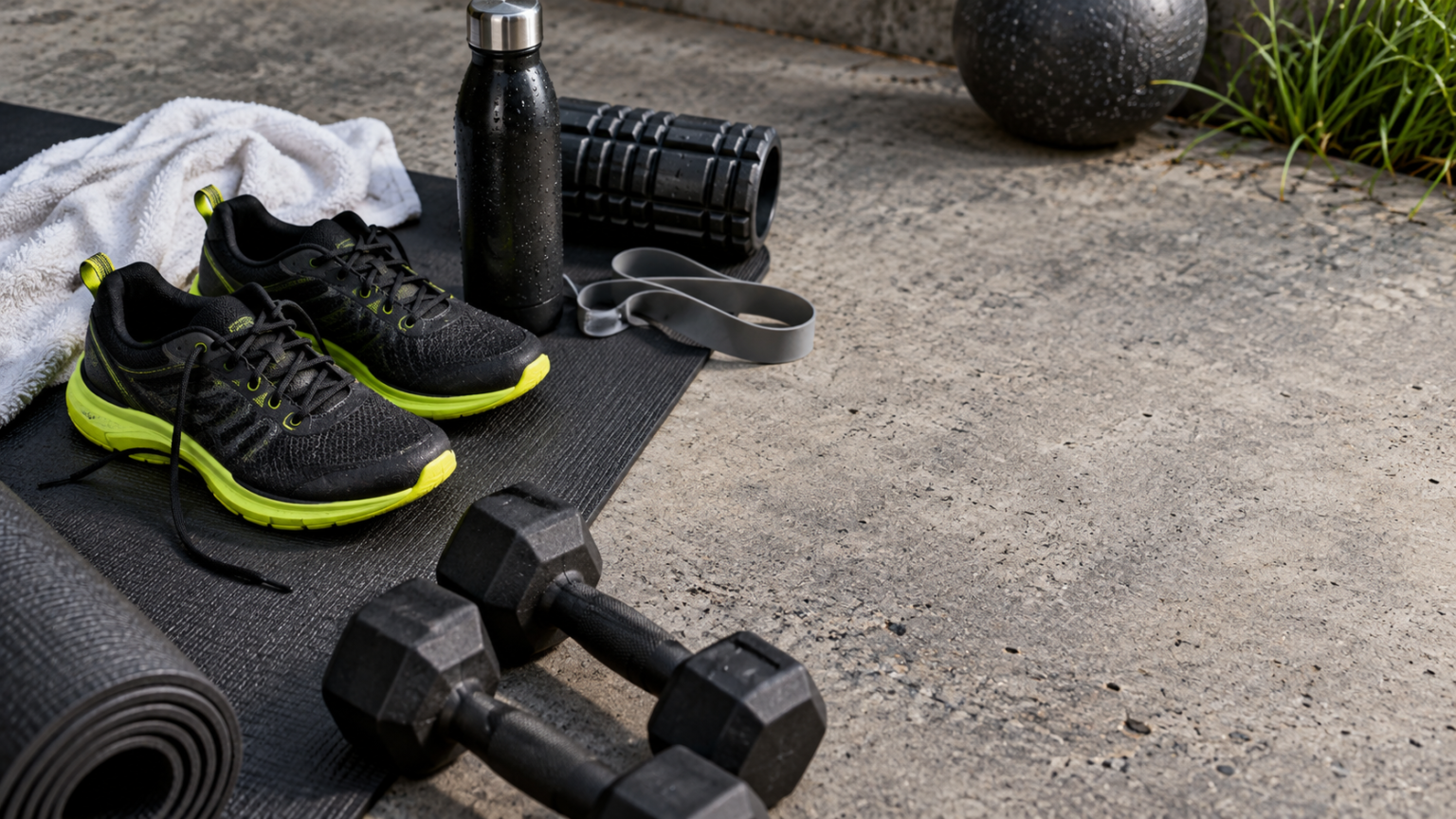
Sciatica can make ordinary movement—walking, sitting, or getting out of bed—feel difficult. The best exercises for sciatica pain relief stretches are not necessarily the deepest or most intense ones. A useful routine is gentle, adjustable, and guided by how symptoms respond. It may include comfortable mobility, light strengthening, and gradual return to activities such as walking or running.
Exercise can help some people manage sciatica, but there is no single sequence that works for every cause of nerve-related pain. This guide explains what sciatica means, offers practical movements to try cautiously, and describes when to stop or seek professional advice.
What is sciatica?
Sciatica is a term for pain, tingling, numbness, or weakness that travels along the path of the sciatic nerve, often from the lower back or buttock into one leg. It describes a pattern of symptoms rather than one specific diagnosis. A herniated disc, narrowing around spinal nerves, or another condition may irritate or compress a nerve root; a clinician can assess the likely cause.
Sciatica is different from soreness confined to the back or buttock. Symptoms can vary, and not everyone experiences them in the same way. Stretching may ease stiffness or help you move more comfortably, but it does not necessarily remove pressure on a nerve or treat the underlying cause.
How to choose and use exercises
Start with movements that feel manageable, not with a goal of touching your toes or forcing a stretch. Try one new movement at a time so you can notice how your symptoms respond. Mild, temporary muscle tension can be normal; increasing pain that travels farther down the leg, new tingling, or worsening numbness is a reason to stop that movement.
- Move slowly and breathe normally; avoid bouncing or holding your breath.
- Begin with a small, comfortable range of motion and take breaks as needed.
- Check how you feel during the exercise and later that day. Reduce the range or stop if symptoms clearly worsen.
- Build activity gradually. A short walk may be a better starting point than a demanding workout.
- If you have significant weakness, a recent injury, a known spinal condition, or uncertainty about what is safe, ask a qualified health professional for individual guidance.
There is no need to complete every exercise below. Select one or two comfortable options, and adjust based on your response. A physical therapist can tailor movements to your symptoms and goals.
Gentle exercises and stretches to consider
1. Easy walking
Walking keeps you moving without requiring a complicated routine. Choose a level surface and a pace that allows comfortable conversation. Start with a short outing, or walk indoors if that feels easier. If symptoms build, shorten the walk, slow down, or take a rest. The aim is tolerable movement, not pushing through escalating leg pain.
For people returning to running, walking is often a sensible bridge. Resume running only when everyday activity is manageable and symptoms are stable; increase time or distance gradually rather than changing several training demands at once. A clinician or physical therapist can advise if running repeatedly triggers symptoms.
2. Pelvic tilts
Lie on your back with knees bent and feet resting on the floor. Gently tighten your abdominal muscles and tip your pelvis so your lower back moves slightly toward the floor. Keep the movement small, then relax back to a comfortable neutral position. Continue only if it feels easy and does not increase symptoms down the leg. This is a mobility drill, not a test of strength.
3. Knee-to-chest movement
Lie on your back with knees bent. If comfortable, bring one knee slowly toward your chest, using your hands behind the thigh rather than pulling hard on the kneecap. Pause briefly in a gentle range, then lower the foot. You can try the other side separately. Stop if the position increases radiating leg symptoms. Some people find this comfortable; others do not, so it is optional.
4. Gentle seated nerve movement
Nerve-mobility exercises are sometimes used as controlled movement rather than a long, held stretch. Sit upright on a stable chair. Slowly straighten one knee only as far as comfortable while gently lifting your head; then bend the knee as you look slightly down. Keep the movement smooth and small. Do not hold at the point of tension or try to create a strong pull. Because nerve symptoms can be sensitive, skip this exercise if it causes spreading pain, tingling, or numbness, and ask a physical therapist whether it suits you.
5. Glute bridge
Lie on your back, knees bent and feet about hip-width apart. Gently brace your abdomen, squeeze your buttock muscles, and lift your hips only to a comfortable height. Pause briefly, then lower with control. Begin with a few easy repetitions rather than aiming for a fixed count. If your back arches sharply or leg symptoms worsen, make the lift smaller or stop. A bridge is a strengthening option, not a required sciatica treatment.
6. Bird-dog variation
Start on hands and knees, with hands under shoulders and knees under hips. Keep your back comfortable and steady. First try sliding one foot backward along the floor; return it, then change sides. If this is easy and symptom-free, you may gradually lift the leg a little. Avoid twisting or forcing a high lift. You can also move one arm at a time. This exercise can help practice controlled trunk and hip movement without heavy equipment.
7. Figure-four glute stretch, only if comfortable
Lie on your back with both knees bent. Rest one ankle across the opposite thigh, above the knee, and leave the legs in that position if it already feels like a mild stretch. If comfortable, draw the uncrossed thigh slightly toward you. Keep the sensation gentle and in the buttock; do not force the position to produce a strong stretch. If it reproduces or increases pain down the leg, release it. A figure-four stretch may suit some people, but it is not appropriate for everyone.
A practical home routine
Try this simple approach rather than treating the routine as a prescription:
- Begin with a few minutes of easy walking around your home or outside.
- Choose one gentle mobility movement, such as pelvic tilts or a comfortable knee-to-chest movement.
- If symptoms remain steady, try a light strength exercise such as a small bridge or foot slide in the bird-dog position.
- Finish with a brief, easy walk or ordinary daily movement. Do not add a deep stretch simply to make the session feel more intense.
- Notice your response later and the next day. If symptoms are worse, reduce the range, repetitions, or total activity next time, or stop and seek advice.
There is no universally correct number of repetitions. Quality, comfort, and a gradual approach matter more than reaching a particular count. On a difficult day, gentle walking or changing positions regularly may be enough.
Strength training, yoga, and cardio
Strength training can support general function, but start with manageable loads and movements that do not aggravate symptoms. Depending on your situation, a professional may help adapt exercises such as sit-to-stands, supported squats, or light hip strengthening. Avoid treating pain as something you must overcome to complete a set.
Yoga may offer gentle movement and flexibility practice, but poses vary widely. A deep forward fold or strong twist may not suit an irritated back or nerve. Choose a class or instructor who can offer modifications, and tell them about your symptoms. A pose should not be forced because it is part of a sequence.
Walking is a practical form of cardio for many people. Cycling or swimming may be comfortable alternatives for some, but comfort varies. Return to sport in stages: first manage everyday movement, then try a short, easy session, and increase one aspect at a time if symptoms remain stable. A sports physical therapist can help plan a return to running or training after persistent symptoms.
Pros, limitations, and injury prevention
Potential benefits
- Gentle movement can help maintain everyday activity when prolonged rest would leave you less mobile.
- Strength and mobility exercises can be adapted to home workouts and require little or no equipment.
- Gradual activity can support confidence and a stepwise return to walking, fitness, or sport.
Limitations and drawbacks
- Exercises cannot identify the cause of sciatica or guarantee pain relief.
- A movement that feels good for one person may aggravate another person’s symptoms.
- Stretching too forcefully or continuing despite worsening symptoms can be counterproductive.
- Persistent or severe symptoms may need clinical assessment rather than a self-directed routine.
For injury prevention, vary your activity, build training load gradually, and include recovery time. Avoid abrupt increases in running distance, lifting load, or workout frequency. Sleep, adequate food, and hydration support general athletic recovery, but nutrition is not a substitute for assessment or treatment of nerve symptoms. Sports psychology strategies such as setting small, realistic activity goals may help with the frustration of a slower return, without implying that pain is purely psychological.
When to get medical help
Seek urgent medical care for new loss of bladder or bowel control, difficulty starting urination, numbness around the genitals or inner thighs, or severe or rapidly worsening weakness in a leg. These symptoms can indicate a serious problem and should not be managed with stretches.
Arrange medical advice if pain is severe, keeps worsening, follows a significant injury, or is accompanied by fever or feeling seriously unwell. Also seek assessment if symptoms are not improving, keep returning, or interfere substantially with daily activities. A clinician can examine you and decide whether further investigation or a tailored rehabilitation plan is appropriate.
Q&A
Should I stretch when I have sciatica?
You may try gentle movement if it is comfortable, but stretching is optional. Stop a stretch that increases pain down the leg, tingling, or numbness. There is no requirement to push into a strong sensation.
Is bed rest better than exercise?
Extended bed rest is generally not the goal for uncomplicated back pain. Comfortable everyday movement is often preferable when possible, but the right activity level depends on symptoms and health history. Ask a clinician if you are unsure.
Can I run with sciatica?
It depends on symptom severity and how running affects you. Consider pausing or scaling back if running worsens leg symptoms. Return gradually when daily movement is manageable, and get individualized advice for persistent pain or weakness.
How long should I do these exercises?
There is no fixed duration that suits everyone. Start with a small, comfortable amount and judge the response during and after activity. A physical therapist can provide a progression matched to your condition.
Sources and approach
This article uses general patient guidance from the UK National Health Service (NHS) on sciatica, the Mayo Clinic’s patient information on sciatica, and the National Institute of Neurological Disorders and Stroke (NINDS) information on low back pain. The exercises are presented as cautious options, not as a treatment protocol or a claim that one stretch is superior. These sources emphasize symptom awareness, staying active as appropriate, and seeking medical care for concerning symptoms; individual recommendations can differ after examination.
Safety note: This article is for general information and is not a diagnosis or a substitute for personalized medical advice. Exercise may not be suitable for every cause of leg or back pain. Stop if symptoms worsen and consult a qualified health professional, especially if you have weakness, significant numbness, or other warning signs.