


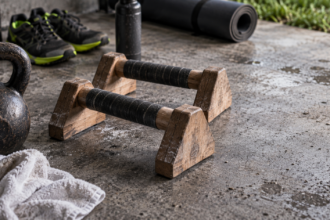




For men over 40, reducing belly fat usually requires a combination of regular exercise, sustainable nutrition, adequate recovery, and consistent habits. No exercise can selectively remove fat from one area. Abdominal exercises can strengthen the core, but the body reduces stored fat according to genetics, hormones, energy balance, age, and other individual factors rather than according to the muscle being trained.
The best approach is a balanced program that combines cardio fitness, strength training, mobility work, and sensible eating. It should also account for joint health, previous injuries, work demands, sleep, and current fitness. The goal is not simply a smaller waist; it is improved health, strength, movement quality, and long-term adherence.
What Belly Fat Reduction Means
Belly fat refers to fat stored around the abdomen. Some of it lies under the skin, while visceral fat is stored deeper in the abdominal cavity around internal organs. Excess visceral fat is associated with increased health risks, so waist size and overall health can be useful progress markers alongside body weight.
Fat loss occurs when the body uses more energy than it receives over time. Exercise contributes by increasing energy expenditure and preserving or building muscle, while nutrition determines how easy it is to maintain an appropriate energy balance. The practical objective is a moderate, sustainable calorie deficit rather than an extreme diet or exhausting daily workouts.
This article draws on the World Health Organization Guidelines on Physical Activity and Sedentary Behaviour, the U.S. Department of Health and Human Services Physical Activity Guidelines for Americans, and health information from the National Institute of Diabetes and Digestive and Kidney Diseases. The recommendations are compared by looking at common themes: aerobic activity, resistance training, gradual progression, reduced sedentary time, and safe weight-management habits.
The Best Exercise Categories for Men Over 40

1. Brisk Walking and Running
Walking is an effective starting point because it is accessible, easy to control, and generally less stressful on the joints than running. A brisk pace that raises breathing and heart rate while still allowing short conversation can improve cardio fitness and support energy expenditure.
Running can be useful for men who already tolerate impact well. It is time-efficient and can improve cardiovascular conditioning, but it is not automatically better than walking for fat loss. Running also places more stress on the feet, ankles, knees, hips, and lower back. If you are returning after years of inactivity, begin with walking and add short jogging intervals only after your body has adapted.
- Start with 20 to 30 minutes of brisk walking on several days each week.
- Progress by adding a few minutes, a slight incline, or short jogging intervals.
- Use comfortable, supportive footwear and choose a surface appropriate for your balance and joints.
- Keep most sessions at a manageable intensity so that recovery remains possible.
A practical running progression might alternate one minute of easy jogging with two minutes of walking. Repeat the cycle for a short session, then gradually increase the jogging portions if there is no worsening pain. Running should feel like training, not a test of willpower.
2. Strength Training
Strength training is especially valuable after 40 because it helps preserve muscle while body weight is reduced. More muscle does not guarantee rapid fat loss, but maintaining strength can support movement, function, posture, and long-term training consistency. Compound exercises also train several muscle groups at once.
Useful movement patterns include squatting, hinging, pushing, pulling, carrying, and bracing. Examples include goblet squats, split squats, Romanian deadlifts with light weights, push-ups, resistance-band rows, dumbbell presses, and farmer carries. A supervised machine-based routine can also be effective for beginners or people with balance concerns.
- Train the major muscle groups at least twice weekly when practical, with rest between demanding sessions.
- Begin with a load that allows controlled technique and several repetitions in reserve.
- Increase resistance, repetitions, or sets gradually rather than changing everything at once.
- Stop or modify an exercise if it causes sharp, radiating, or progressively worsening pain.
Abdominal exercises remain useful for core strength. Planks, dead bugs, bird dogs, side planks, and controlled cable or band exercises can improve trunk control. They should complement, not replace, full-body resistance training and aerobic work.
3. Intervals and Cardio Fitness
Intervals alternate periods of higher effort with easier recovery. They can improve conditioning and make workouts more time-efficient, but they are demanding. Men over 40 who are new to exercise should establish a base of steady walking, cycling, rowing, or other moderate activity before adding hard intervals.
A low-impact example is five minutes of easy cycling followed by several rounds of 30 seconds at a challenging but controlled pace and 90 seconds of easy cycling. Finish with a gradual cool-down. The effort should not require an all-out sprint, especially for someone with limited training history.
Advantages: Intervals can challenge cardio fitness in a relatively short session and add variety.
Limitations: They may increase fatigue, soreness, and injury risk when introduced too quickly. They are not essential for fat loss, and steady moderate activity may be easier to sustain.
4. Yoga, Mobility, and Flexibility Work
Yoga does not directly spot-reduce abdominal fat, but it can support a complete program by improving mobility, body awareness, balance, breathing control, and stress management. A short routine may include gentle spinal movement, hip mobility, hamstring stretches, and controlled poses that do not provoke pain.
Flexibility work is most useful when it addresses a genuine restriction. It should not be forced or treated as a competition. Dynamic movements are suitable before training, while longer, comfortable stretches may fit better after exercise or in a separate session. Yoga can also provide a lower-impact option on recovery days.
A Practical Weekly Workout Plan
The following example can be adjusted for fitness level, schedule, and medical considerations. It is a template rather than a prescription.
- Monday: Full-body strength training for 30 to 45 minutes, followed by easy mobility work.
- Tuesday: Brisk walking, cycling, or swimming for 25 to 40 minutes.
- Wednesday: Rest or a gentle yoga and flexibility session.
- Thursday: Full-body strength training, using different variations or slightly lighter loads.
- Friday: Moderate cardio, with optional short intervals if a basic fitness foundation is established.
- Saturday: Longer easy activity such as hiking, walking, recreational sport, or cycling.
- Sunday: Rest, gentle mobility, or an easy walk.
Public-health guidance commonly recommends regular moderate-to-vigorous aerobic activity and muscle-strengthening work on multiple days. The right amount for an individual depends on current conditioning, health status, sleep, work demands, and recovery. Doing less than the general target can still be worthwhile; gradual consistency is more useful than an ambitious plan that repeatedly causes burnout.
Nutrition That Supports Fat Loss and Training
Exercise works best when paired with an eating pattern that is satisfying and realistic. Nutrition for athletes does not require exotic products or severe restriction. Build meals around protein-rich foods, vegetables or fruit, high-fiber carbohydrates, and sources of unsaturated fat.
Simple nutrition steps
- Include a protein source at meals, such as fish, eggs, poultry, Greek yogurt, tofu, beans, or lean meat.
- Choose mostly minimally processed carbohydrates such as oats, potatoes, rice, whole-grain bread, fruit, and legumes.
- Use vegetables, fruit, beans, and whole grains to increase fiber and meal volume.
- Reduce frequent liquid calories, oversized portions, and highly processed snacks without labeling all foods as forbidden.
- Drink enough fluid to support normal hydration, especially during heat or longer workouts.
Keeping a short food and activity record can reveal patterns such as unplanned evening eating, frequent alcohol intake, or inadequate meals that lead to overeating later. Tracking is optional; it should support awareness rather than create anxiety. A registered dietitian can help men with diabetes, high blood pressure, kidney disease, digestive problems, or sports-performance goals develop a more specific plan.
Recovery and Injury Prevention
Recovery techniques include adequate sleep, rest days, light movement, stress management, and sensible training progression. Foam rolling or massage may feel helpful for temporary muscle comfort, but these methods do not replace sleep, nutrition, or load management.
Warm up with several minutes of easy movement followed by exercise-specific practice. For example, before strength training, perform body-weight squats, hip hinges, band pull-aparts, and light versions of the planned exercises. Cool down with easy walking and relaxed breathing.
Use the next-day response to guide progression. Mild muscle soreness can occur after unfamiliar training, but joint swelling, persistent pain, limping, numbness, dizziness, chest discomfort, fainting, or unusual shortness of breath should not be ignored. Reduce the workload and seek professional assessment when symptoms are concerning.
Home Workout Option
A home routine can train the whole body with minimal equipment. After a warm-up, complete two or three controlled rounds of:
- Chair or body-weight squats
- Incline push-ups against a stable surface
- Resistance-band or dumbbell rows
- Hip hinges with a light weight or backpack
- Step-ups on a secure, low platform
- Dead bugs or a modified plank
Rest as needed and prioritize technique. If using a backpack or household object, confirm that it is stable and easy to grip. Home workouts are convenient and inexpensive, but a gym, trainer, or physical therapist may offer better equipment and feedback for people who need specialized support.
Sports Psychology and Long-Term Adherence
Motivation changes, so relying on motivation alone can make a plan fragile. Use implementation cues such as exercising after work, preparing clothes the night before, or scheduling sessions on a calendar. Set process goals, such as completing two strength sessions weekly, instead of focusing only on a target waist measurement.
Expect interruptions from travel, illness, work, or family responsibilities. A reduced session is often better than abandoning the routine. Avoid all-or-nothing thinking: one missed workout does not erase progress, and one large meal does not determine body composition.
How to Measure Progress
Use several indicators rather than relying only on the scale. Possible measures include waist circumference taken consistently, clothing fit, strength performance, walking pace, energy levels, sleep quality, and workout consistency. Body weight naturally fluctuates because of hydration, food volume, and other factors.
Review progress over several weeks rather than reacting to a single measurement. If waist size and fitness are not changing after a consistent period, review portion sizes, activity, sleep, and recovery. A health professional can help identify medical or medication-related factors when progress is unexpectedly difficult.
Concise Q&A
Can crunches reduce belly fat?
Crunches can strengthen the abdominal muscles but cannot selectively remove fat from the abdomen. Combine core training with full-body strength work, cardio, and appropriate nutrition.
Is running better than walking?
Not necessarily. Running may burn more energy per unit of time, but walking can be easier to recover from and sustain. The better option is the one that fits your health, joints, schedule, and preferences.
How often should men over 40 train?
Many adults can build a useful routine with two full-body strength sessions and regular aerobic activity each week. Beginners may start below that level and progress gradually.
Are supplements needed?
Most people can make progress with ordinary food, training, and recovery habits. Supplements may be appropriate for a documented deficiency or specific performance need, but discuss them with a qualified clinician or dietitian, particularly if you take medication.
Safety and Informational Disclaimer
This article is for general information and is not medical advice. Before starting vigorous exercise, consult a qualified health professional if you have cardiovascular disease, uncontrolled blood pressure, diabetes, significant joint or back problems, symptoms during exercise, or a long period of inactivity. Stop exercise and seek urgent medical care for severe chest pain, fainting, or serious breathing difficulty. Individual results vary, and no exercise plan can guarantee a specific amount or rate of belly-fat reduction.