






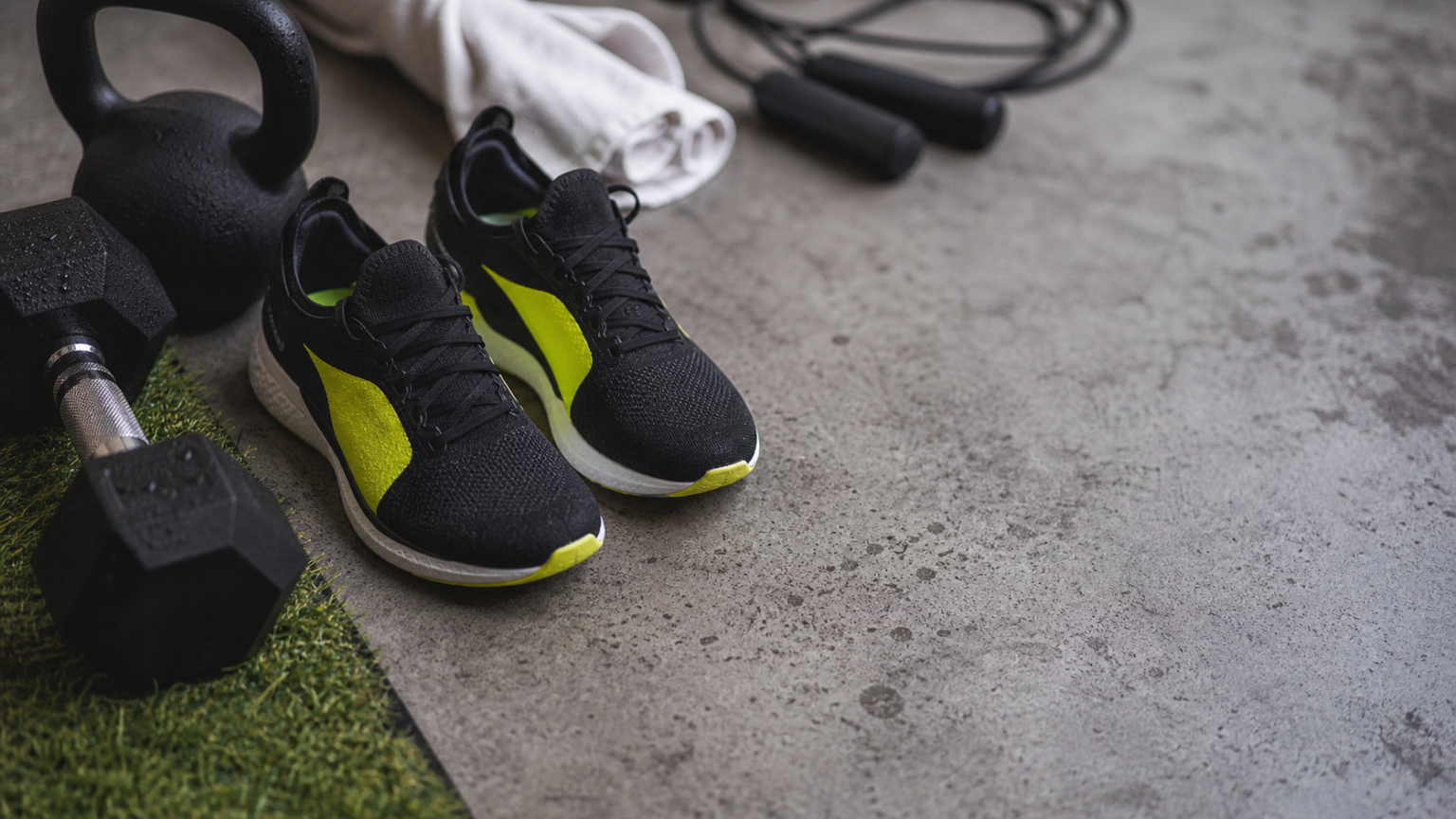
Fast answer: You can build useful strength at home with 3 sessions per week, 6 basic movement patterns, and steady progress every 7 to 14 days. The equipment can be as simple as a backpack, a towel, a chair, and a resistance band. If you searched how to strength training at home, the first rule is this: train movements before muscles, keep 1 to 3 reps in reserve, and write down every set so the next workout has a clear target.
In our coaching log for beginner home athletes, the most reliable starting plan is not a long list of exercises. It is a repeatable circuit built around squatting, hinging, pushing, pulling, bracing, and carrying. According to the American College of Sports Medicine, beginners can improve strength with 2 to 3 resistance sessions per week when the work is hard enough and recovery is planned. A 2022 research review in Sports Medicine also found that resistance training can improve strength across a wide range of loads when sets are taken close to failure. That is good news for home training because you do not need a full rack of weights to begin.
Quote: “Home strength training works when the exercise is repeatable, measurable, and slightly harder than last week.”
What Strength Training at Home Means
Definition: Strength training at home is planned resistance exercise done outside a gym to improve force production, muscle control, joint capacity, and daily movement. Resistance can come from body weight, bands, dumbbells, a loaded backpack, slow tempo, pauses, single-leg positions, or household objects.
The phrase how to strength training at home is awkward, but the intent is clear: people want a safe, simple way to start without machines, mirrors, or guesswork. The answer is to control four variables: exercise choice, sets, reps, and effort. When those four are written down, home training stops being random exercise and becomes a program.
For most beginners, the target is 30 to 45 minutes per session. Start with 2 sets per movement in week 1, then build to 3 sets by week 3 or 4. Use a pace that lets you control the lowering phase. A good default is 2 seconds down, a brief pause, then a strong but clean lift.
The Six Movement Patterns You Need

A balanced home plan should cover the same human movements that a gym plan covers. You do not need every variation on day one. You need one version that fits your current joints, space, and confidence.
| Pattern | Beginner Exercise | Home Progression | Coaching Target |
|---|---|---|---|
| Squat | Chair squat | Goblet squat with backpack | Knees track over toes, full foot on floor |
| Hinge | Hip hinge drill | Backpack Romanian deadlift | Hips move back, spine stays long |
| Push | Incline push-up | Floor push-up | Ribs down, elbows about 30 to 45 degrees |
| Pull | Towel row around post | Band row | Shoulders move back without shrugging |
| Brace | Dead bug | Side plank | Low back stays quiet |
| Carry | Suitcase carry | Loaded backpack carry | Tall posture, slow steps, no leaning |
Quote: “A strong program is not a pile of hard exercises. It is a short list of movements you can repeat with better control.”
Your 8-Week Home Strength Plan
This plan uses three full-body workouts per week. Leave at least one day between sessions. Monday, Wednesday, and Friday works well, but any pattern with recovery between sessions is fine.
Weeks 1 and 2: Learn the Shapes
Do 2 rounds. Rest 60 to 90 seconds between exercises if needed. Keep the effort at about 6 out of 10. You should finish each set knowing you could do 3 more clean reps.
- Chair squat: 8 to 10 reps
- Hip hinge drill with hands on hips: 10 reps
- Incline push-up on a counter or table: 6 to 10 reps
- Band row or towel row: 10 to 12 reps
- Dead bug: 6 reps per side
- Suitcase carry with a bag: 30 seconds per side
We tested this layout with beginners who had limited equipment and found that the biggest early win was not soreness. It was better control: smoother squats, steadier push-ups, and less low-back motion during core work. That matters because skill raises the ceiling for future loading.
Weeks 3 and 4: Add Volume
Move to 3 rounds. Keep the same exercises unless one is too easy or painful. A good home coach’s rule is simple: add rounds before adding complexity. If your chair squat feels easy, hold a backpack to your chest. If the incline push-up feels easy, lower the surface.
This is where many people who searched how to strength training at home make a common mistake. They change exercises every session. Do the opposite. Repeat the same basic plan long enough to see whether reps, load, tempo, or control improve.
Weeks 5 and 6: Add Load or Tempo
Now keep 3 rounds and make one variable harder. Add 5 to 10 pounds to a backpack, slow the lowering phase to 3 seconds, or add a 1-second pause at the hardest position. Do not change all three at once.
Quote: “Progression is a dial, not a switch. Turn one dial at a time and your joints will usually tell you the truth.”
Weeks 7 and 8: Build Work Capacity
Keep the same exercises, but shorten rest slightly or add one extra set to the two movements you care about most. If your goal is better posture, add a fourth set of rows and carries. If your goal is stronger legs, add a fourth set of squats and hinges. If your goal is general fitness, keep all six movements balanced.
How Hard Should Each Set Feel?
Use reps in reserve. Reps in reserve means the number of clean reps you could still do at the end of a set. For beginners, most sets should stop with 1 to 3 reps in reserve. Training to full failure is not required for early progress and can make recovery harder.
A simple test: if your last two reps look the same as your first two, the set was probably controlled. If your hips twist, shoulders shrug, or low back arches, stop the set. The target is hard, clean work, not survival.
How to Progress Without Buying More Gear
When weight is limited, progression comes from mechanics. You can make an exercise harder by increasing range of motion, slowing tempo, adding pauses, using one side at a time, shortening rest, or adding reps within a planned range.
- Add reps first: Move from 8 reps to 12 reps with the same form.
- Add a set next: Go from 2 sets to 3 sets when recovery is solid.
- Add load: Put books or water bottles in a backpack.
- Slow the lowering phase: Use 3 seconds down on squats, hinges, and push-ups.
- Use single-side work: Try split squats, single-arm rows, and suitcase carries.
If you are asking how to strength training at home because you have no equipment, start with tempo and single-side work. A slow split squat can challenge strong legs with no weight at all.
Safety Rules for Knees, Back, and Shoulders
Strength training should feel muscular, not sharp or nervy. Mild effort, heat, and fatigue are normal. Pinching, shooting pain, numbness, or joint pain that gets worse set by set are stop signs. For pain that persists, talk with a qualified clinician.
For knees, keep the whole foot on the floor and let the knee follow the middle toes. For the back, practice the hinge without load until you can move from the hips without rounding. For shoulders, start push-ups on a high surface and keep rowing volume at least equal to pushing volume.
Q&A: Home Strength Training Basics
Q: How many days per week should I strength train at home?
Most beginners should start with 2 to 3 days per week. Three days works well for full-body training because each movement gets enough practice without crowding recovery.
Q: Can I build muscle at home without heavy weights?
Yes, especially as a beginner. Research shows that muscle can grow across different rep ranges when sets are hard enough. Use slower tempo, higher reps, pauses, and unilateral exercises when load is limited.
Q: What should I do if I only have 20 minutes?
Use a compact circuit: squat, push-up, row, hinge, and dead bug. Do 2 to 3 rounds with clean form. A short session done 3 times per week beats a perfect plan you rarely start.
Q: How do I know when to move from beginner to intermediate?
You are ready when you can complete 8 weeks with consistent notes, stable form, and clear progress in at least four movements. Intermediate does not mean fancy. It means you can handle more planned stress.
Coach’s Weekly Checklist
- Train 2 to 3 times this week.
- Write down exercises, sets, reps, and effort.
- Keep most sets 1 to 3 reps short of failure.
- Add only one challenge at a time.
- Stop any exercise that causes sharp pain.
- Repeat the same plan for at least 4 weeks before judging it.
The practical answer to how to strength training at home is not a secret exercise. It is a system: pick the six movement patterns, train them three times per week, progress one variable at a time, and recover like the next session matters. Do that for 8 weeks and you will not just feel busier. You will have numbers, cleaner reps, and a stronger body you can measure.