







The best pre workout meal for early morning training is one you can digest, time well, and repeat on busy days. For most athletes, that means a meal or snack built around easy carbs, a little protein, low fat, low fiber, and enough fluid to start the session hydrated. If you train at 5 a.m., you do not need a fancy plate. You need fuel that shows up on time and does not fight back in your stomach.
Morning training exposes a common problem: the body wakes up slightly dehydrated, blood sugar is low, and there is often not much time between bed and the first rep. The answer is not to eat a giant breakfast. The answer is to match food volume to training demand.
“The best pre workout meal is the one that helps you train hard without reminding you it exists.”
As a coach, I look for three things before a morning session: usable energy, a calm stomach, and a plan the athlete can actually follow on a weekday. That is the standard here.
Front-Loaded Facts
Before we get into meal ideas, here are the points that matter most:
- Most morning workouts do not need a large meal, but they do need some carbohydrate if intensity is moderate to high.
- Protein helps support muscle repair, but too much protein right before training can slow digestion.
- Fat and fiber are useful for daily nutrition, but they are usually the first things to trim before early training.
- Hydration matters as much as food first thing in the morning, especially if you sweat heavily.
- The ideal timing window is often 30 to 90 minutes before training, but some athletes do better with a smaller snack 10 to 20 minutes before.
Definition: What Counts as a Pre Workout Meal?
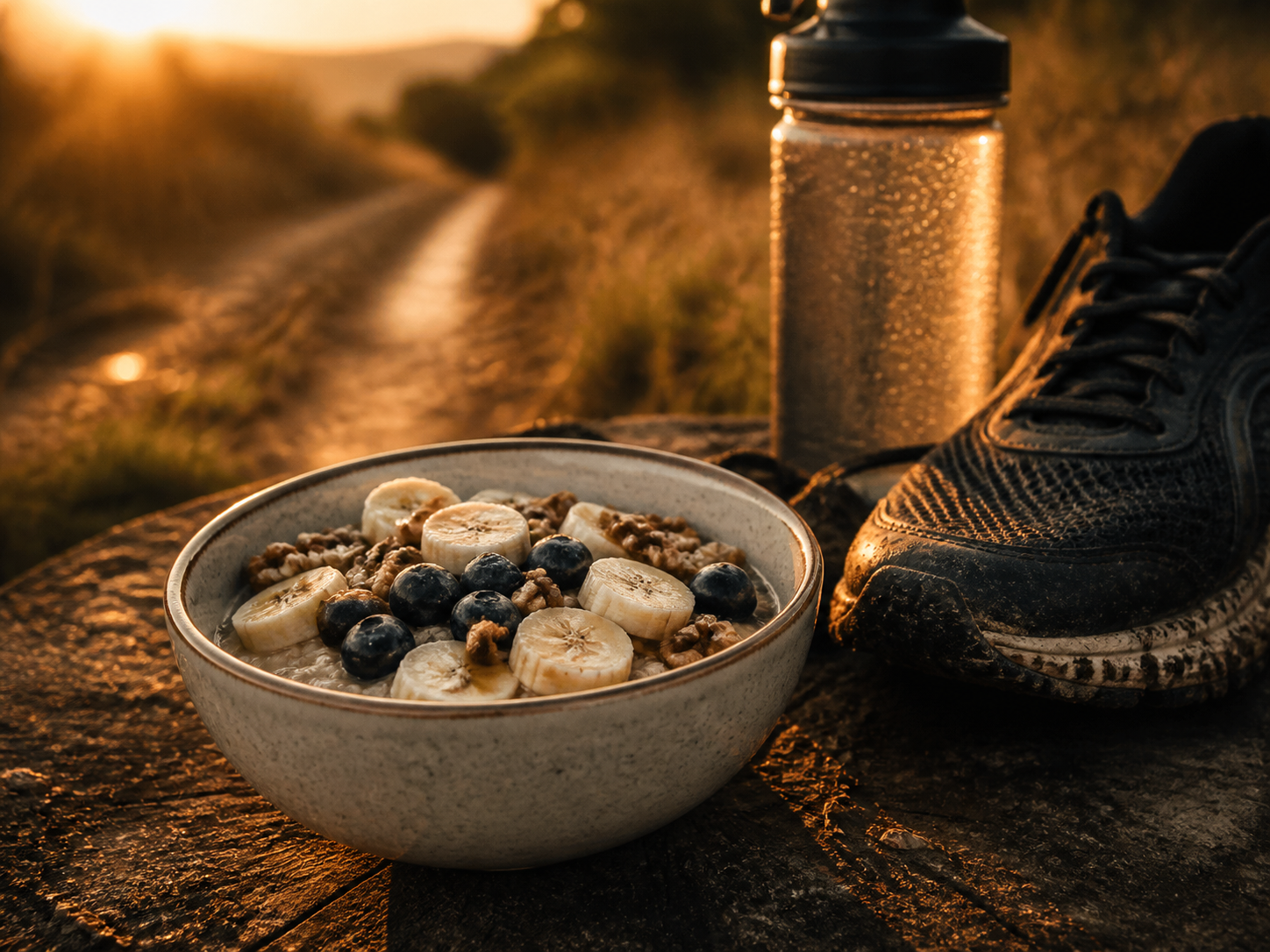
A pre workout meal is any food or drink consumed before training to support performance, concentration, and energy availability. For early morning sessions, it can be a full breakfast, a light snack, a smoothie, or even a sports drink with a banana if time is tight.
The right choice depends on three variables:
- Training intensity: easy aerobic work needs less fuel than intervals or heavy lifting.
- Training duration: longer sessions generally need more carbohydrate.
- Digestive tolerance: some athletes can eat oats and eggs at dawn, others need a liquid option.
The Best Early Morning Pre Workout Meal Formula
Use this formula as a base:
Carbs + small protein + low fat + low fiber + fluid
That formula works because carbohydrate is the quickest reliable fuel source for training, while a modest amount of protein can reduce muscle breakdown and help you start the day with a stronger recovery signal. Low fat and low fiber keep the meal easier to digest, which matters when you are training before sunrise.
What the Plate Should Look Like
| Training Type | Best Meal Shape | Example |
|---|---|---|
| Easy run or light lift | Small snack | Banana + yogurt |
| Moderate run or gym session | Small meal | Toast + eggs + fruit |
| Intervals, long run, hard lift | Larger meal or liquid meal | Oats + whey + berries |
| Very early, little appetite | Liquid snack | Smoothie + sports drink |
How Much to Eat Before Morning Training
There is no single number that fits every athlete, but the scale is useful. If you are training within 30 to 45 minutes, keep it light. If you have 60 to 90 minutes, you can eat a more complete meal.
Here is a simple coaching guide:
- 30 minutes or less: 15 to 30 grams of carbohydrate, plus water.
- 30 to 60 minutes: 25 to 40 grams of carbohydrate with a little protein if tolerated.
- 60 to 90 minutes: 40 to 70 grams of carbohydrate, plus 10 to 20 grams of protein.
- 90 minutes or more: a fuller breakfast can work, provided digestion is fine.
These are practical coaching ranges, not rigid lab rules. The athlete who feels flat after skipping breakfast may need more. The athlete who gets side stitches or nausea may need less. Performance is the final judge.
“If your pre workout meal makes you lighter on the bar or slower on the track, it is the wrong meal for that workout.”
Best Foods to Eat Before Early Morning Training
Some foods fit morning sessions better than others. The best options are familiar, simple, and easy to portion.
- Bananas: fast carbs, easy to digest, easy to carry.
- Toast with honey or jam: quick energy with minimal stomach load.
- Oatmeal: useful if you have more time and tolerate fiber well.
- Yogurt: adds protein and some carbs, especially with fruit.
- Rice cakes: light, plain, and easy to top with nut butter or fruit spread.
- Smoothies: a strong option when you do not want solid food.
- Sports drink: helpful for very early sessions, high sweat rate, or long workouts.
- Eggs: useful in moderate amounts when you have enough digestion time.
Foods that often cause trouble before training include large greasy meals, heavy fried food, very spicy food, huge salads, and high-fiber bowls packed with seeds and raw vegetables. Those foods may be healthy later in the day, but they are poor pre workout choices for most morning sessions.
Meal Ideas by Time Available
When You Have 15 Minutes
At this point, think snack, not breakfast. Keep it simple:
- Banana and water
- Half a bagel with honey
- Sports drink and a few crackers
- Small applesauce pouch and coffee if you tolerate caffeine
When You Have 30 to 45 Minutes
You can fit a little more in without overloading the stomach:
- Toast with jam and a yogurt cup
- Oatmeal made with milk and a few berries
- Banana smoothie with whey protein
- Rice cakes with a thin layer of peanut butter and sliced fruit
When You Have 60 to 90 Minutes
This is the most flexible window. Try:
- Oats with banana and whey
- Eggs on toast with fruit
- Greek yogurt with granola and berries
- Breakfast burrito made lighter on cheese and grease
What About Caffeine?
Caffeine can be useful before early training because it helps alertness, perceived effort, and sometimes power output. The timing and dose matter more than the brand name on the container.
For many athletes, 1 to 3 milligrams per kilogram of bodyweight is enough to feel a useful effect without feeling shaky. Start low if you are new to it. Too much caffeine before a hard run or lifting session can create jitters, bathroom urgency, or a fast heart rate that feels worse than the workout itself.
If coffee works for you, use it. If it does not sit well, do not force it just because other athletes do. Tolerance beats hype.
Hydration Before Morning Training
Morning athletes often wake up slightly behind on fluids. A good habit is to drink 300 to 500 milliliters of water shortly after waking, then sip more if the workout is long, hot, or intense.
If you sweat heavily, a drink with sodium can help maintain fluid balance. That does not mean every workout needs electrolytes. It means sweat rate and environment should guide the choice. A humid summer interval session is not the same as a quiet indoor mobility class.
“Hydration is not dramatic, but it is one of the easiest performance wins most athletes ignore.”
Best Pre Workout Meal Choices by Goal
Your goal should shape the meal as much as the clock does.
- Fat loss: keep portions smaller, but do not train under-fueled every day.
- Muscle gain: include enough carbs and some protein so training quality stays high.
- Endurance: prioritize carbohydrate more aggressively, especially before long or hard runs.
- Strength and power: choose a meal that supports focus and bar speed without gut heaviness.
Athletes sometimes cut breakfast to save calories and then wonder why training quality drops. That is a false economy. A smaller, better-timed meal often supports better session quality and better overall progress.
Common Mistakes
The first mistake is eating too much fat. Peanut butter, sausage, bacon, and heavy cheese can sit in the stomach too long before a hard session.
The second mistake is using breakfast foods that are too fibrous. High-fiber cereals, large bran bowls, and massive fruit plates can be healthy, but they are not always smart pre workout choices.
The third mistake is trying a new meal on game day. Test your pre workout meal in practice first. The stomach likes consistency.
The fourth mistake is assuming morning training means no fuel. Fasted training may be fine for some low-intensity sessions, but it is not the default answer for hard work, long work, or athletes trying to improve performance.
Sample Morning Fuel Plans
Plan A: 5:30 a.m. Lift
Wake up, drink water, eat a banana and yogurt, sip coffee if tolerated, then start the session. If the session is heavy, add toast or a few oats.
Plan B: 6:00 a.m. Run Intervals
Wake up, drink water with a small sports drink, eat toast with jam or half a bagel, and keep the meal low fat. After the session, eat a real breakfast with protein and carbs.
Plan C: 7:00 a.m. Long Run
Wake up early enough for a more complete meal. Oats, banana, and whey work well for many runners. If appetite is low, use a smoothie and a small carb snack before heading out.
Q&A: Best Pre Workout Meal for Early Morning Training
Is it okay to train on an empty stomach?
Sometimes, yes, especially for easy sessions. But if the workout is hard, long, or important, a small amount of carbohydrate usually helps performance.
Should I eat protein before a morning workout?
A little protein is useful, but it should not crowd out carbohydrates. A small yogurt, milk, or a scoop of whey is usually enough.
What if I cannot eat first thing?
Use a liquid option. A smoothie, sports drink, or a banana can be easier than a full plate.
What is the best food if I only have one choice?
For many athletes, a banana is the simplest answer. It is portable, gentle, and gives quick carbohydrate.
How do I know if my meal is working?
If you can train with steady energy, good focus, and no stomach drama, the meal is working. If you feel heavy, sleepy, shaky, or nauseous, adjust the size or composition.
Bottom Line
The best pre workout meal for early morning training is not the biggest one. It is the one that gives you enough fuel, keeps digestion calm, and matches the demands of the workout. Use easy carbs, a small amount of protein, minimal fat, and enough water to start the session ready. Then test, adjust, and repeat the version that helps you train well on ordinary mornings, not just perfect ones.
If you want one coaching rule to keep, use this: eat enough to perform, but not so much that breakfast becomes part of the workout.