





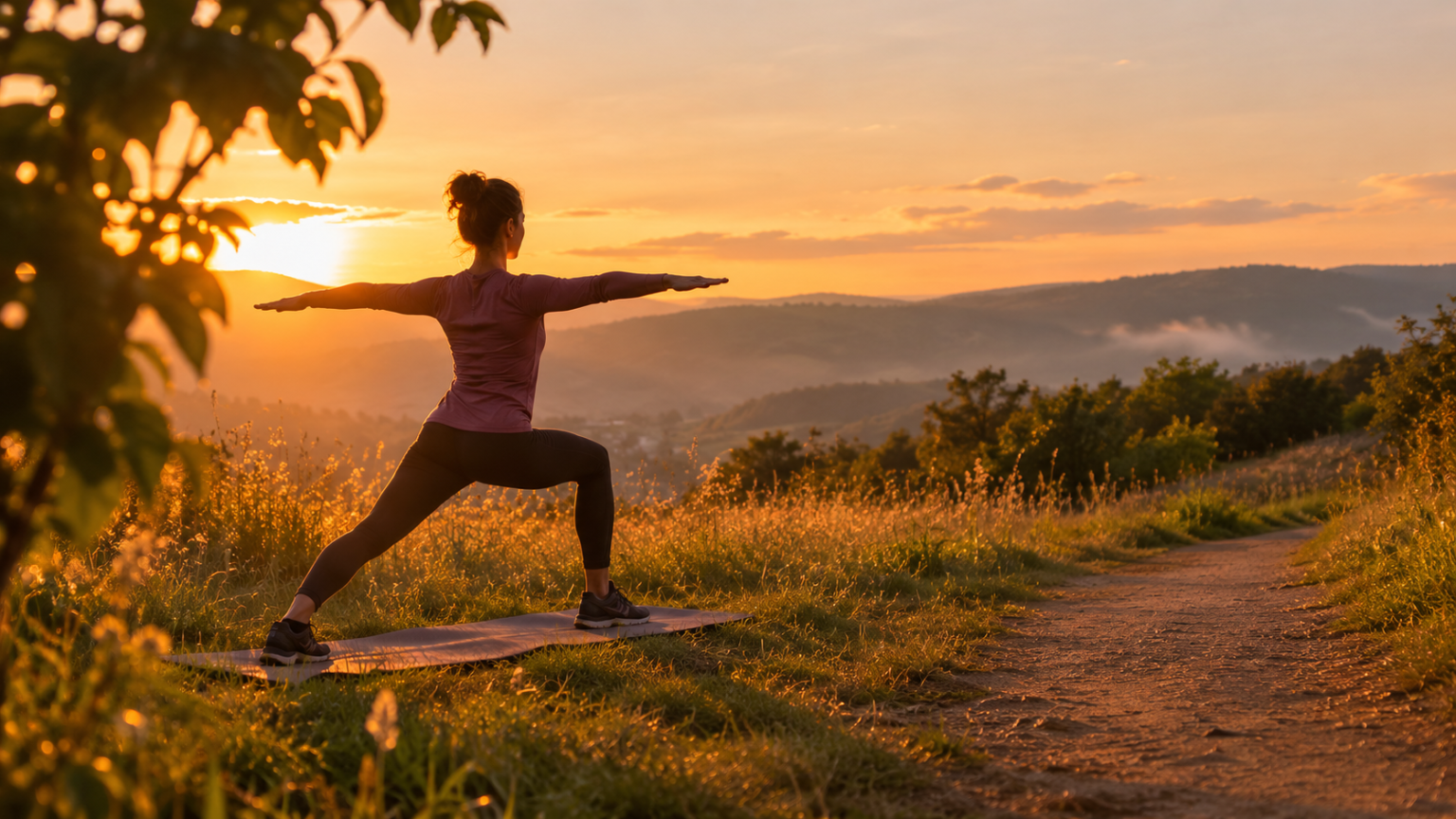
Yoga is often described as a way to improve flexibility, but its uses extend beyond stretching. Depending on the style and how it is practiced, yoga can combine physical postures, breathing exercises, and focused attention. People use it to build balance and mobility, support general fitness, manage stress, and complement activities such as running and strength training.
So, what is yoga good for in practical terms? It can be a useful form of movement for developing flexibility, balance, body awareness, and muscular endurance. Some people also find its breathing and attention practices helpful for relaxation. It is not a cure for illness, a guaranteed way to prevent sports injuries, or a complete replacement for aerobic exercise and progressive strength training. The benefits depend on the kind of yoga, the individual, and consistent practice.
What is yoga?
Yoga is a broad group of practices with roots in Indian traditions. In many contemporary classes, the main elements are physical poses, controlled breathing, and attention or meditation. The balance among those elements varies. A gentle class may emphasize comfortable movement and relaxation; a vigorous flow class may involve continuous movement and more demanding poses.
Yoga is not one standardized workout. Class names are not fully consistent across studios, so it is useful to ask what a session involves, how quickly poses change, and whether modifications are offered. For a fitness routine, the relevant question is not whether one style is universally best, but whether a particular practice is appropriate for your goals, health, and experience.
What is yoga good for?
Flexibility and comfortable movement
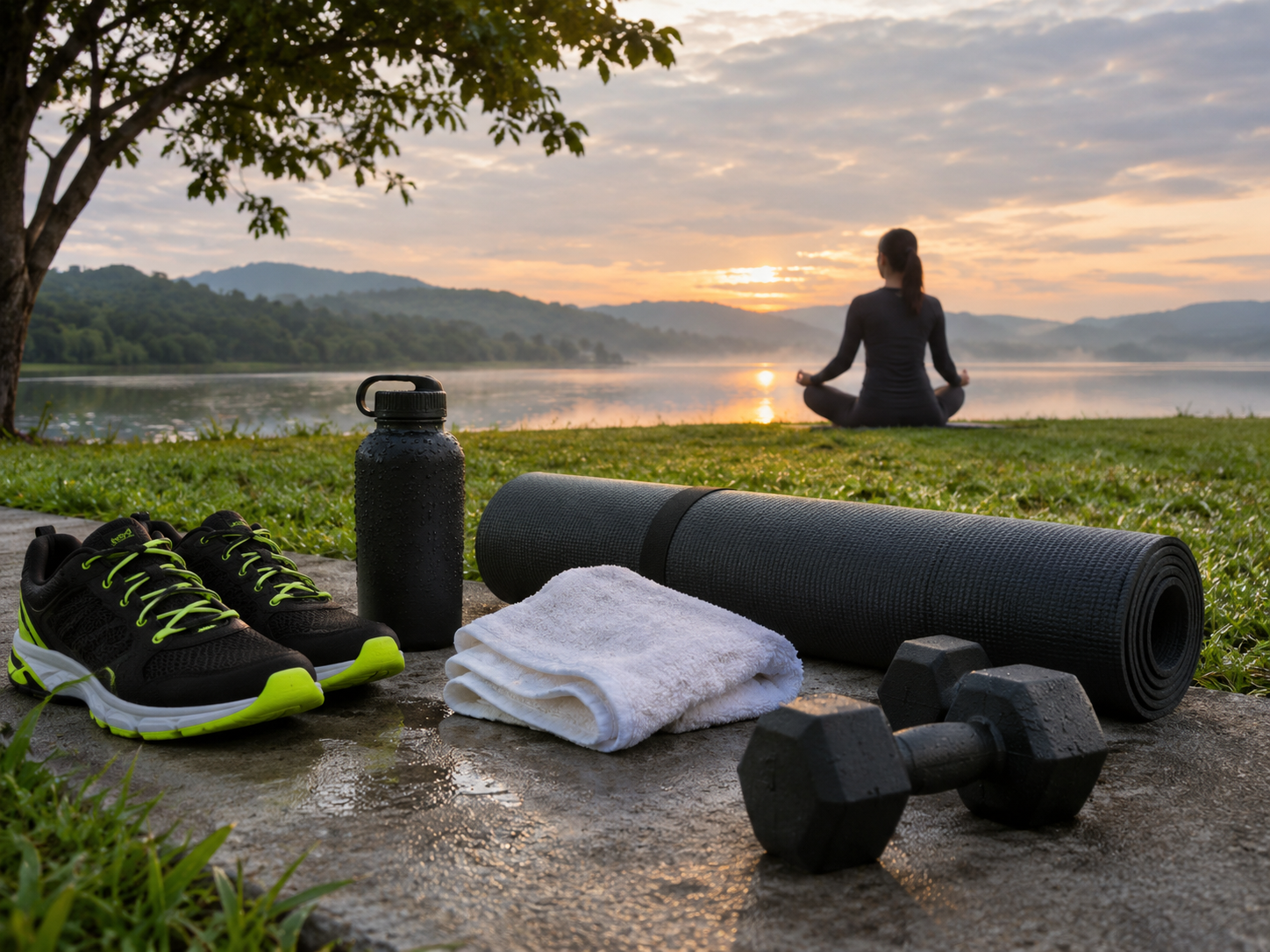
Yoga poses move the body through different positions and may help practitioners improve their range of motion over time. This can be useful for people who feel stiff from prolonged sitting or who want to practice moving through controlled ranges. Flexibility is specific to the joints and movements being trained, however; doing a few stretches does not guarantee broad improvements in mobility.
More range is not automatically better. A useful goal is comfortable, controlled movement that fits your needs, rather than pushing a joint to its limit. People with hypermobility or a history of joint instability may need individualized guidance and should not assume that deeper poses are beneficial.
Balance, coordination, and body awareness

Standing poses, transitions, and one-legged positions challenge balance and coordination. Paying attention to posture and breathing can also help people notice how a movement feels and when they are straining. These skills may complement running, recreational sports, or strength training, where control and awareness matter.
Yoga is not a substitute for sport-specific practice. A runner still needs to run to train running, and a person preparing for a particular activity should practice the movements and demands of that activity. Yoga can be one supporting part of a wider routine.
Muscular endurance and strength
Holding a pose or repeatedly moving between poses asks some muscles to work against body weight. More physically demanding classes can challenge muscular endurance and, for beginners, may provide a meaningful strength stimulus. The challenge varies with the poses, duration, frequency, and the participant’s fitness.
For continued strength gains, yoga may not provide enough resistance or a reliable way to progressively increase load for every muscle group. Strength training with gradually adjusted resistance is usually easier to tailor to that purpose. People who lift weights can use yoga as a complement for movement practice or recovery, while keeping their main strength program intact.
Relaxation and stress management
Some yoga sessions include slow breathing, meditation, or a quiet period at the end. These practices may help participants feel calmer and more attentive in the moment. The National Center for Complementary and Integrative Health (NCCIH), part of the U.S. National Institutes of Health, describes yoga as a mind-and-body practice and summarizes research on its potential health effects. Results vary by outcome and population, and evidence for one use should not be treated as proof for every health claim.
Yoga should not be presented as a replacement for mental health care. If stress, anxiety, low mood, or sleep problems are persistent or interfere with daily life, a qualified health professional can help assess appropriate support. Yoga may fit alongside care if it is comfortable and acceptable to the person.
Support for an active routine
Yoga can offer a lower-impact movement option on some days, but not every class is gentle. A fast or heated session may add substantial physical demand. When planning around running or strength training, consider the intensity and timing: a demanding class immediately before a hard workout may leave you tired, while a short, comfortable mobility session may fit more easily.
Recovery also depends on sleep, adequate food and fluids, sensible training progression, and rest. Yoga cannot compensate for insufficient recovery or inadequate nutrition for athletes. It is one possible tool, not a complete recovery plan.
What the evidence can and cannot tell you
Health claims about yoga cover many different outcomes, study designs, and participant groups. The NCCIH’s yoga overview is a useful starting point because it distinguishes areas with research from claims that require more evidence. Harvard Health Publishing also offers general guidance on yoga’s potential benefits and safe practice. These sources discuss yoga at a broad level; they do not establish that every class produces the same result or that yoga treats an individual’s condition.
When reading claims, check what was measured, who took part, and what the comparison group did. A study of a particular program in a specific population cannot automatically establish results for all yoga styles or for every person. Personal reports may be useful for describing an experience, but they cannot by themselves establish that yoga caused a health change.
For a practical comparison, consider the activity’s main training effect. Yoga commonly practices posture, balance, mobility, and controlled body-weight movement. Running more directly trains running-specific skills and aerobic fitness. Resistance training makes it easier to target muscles and increase load systematically. These activities can coexist; the best mix depends on goals, preferences, schedule, and health considerations.
How to start practicing yoga
- Choose a suitable format. If you are new, look for a beginner class or video that explains poses, offers modifications, and allows breaks. Ask the instructor whether the session is fast-paced, heated, or physically demanding.
- Set a modest, repeatable schedule. Start with a session length and frequency that fit your routine. Consistency matters more than forcing long sessions, and you can adjust as you learn how your body responds.
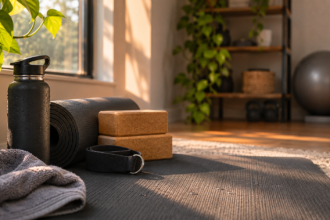
- Use a stable practice area. Clear enough space to move without hitting furniture. A mat can provide traction, but it is not a guarantee against slipping. Use any blocks or other supports as intended, and avoid practicing on an unstable surface.
- Move within a comfortable range. You should be able to breathe steadily and control the movement. Ease out of a pose if you feel sharp pain, numbness, dizziness, or unusual shortness of breath. Do not treat pain as proof that a pose is working.
- Modify rather than compete. Use easier variations, reduce the range, or rest when needed. A pose does not need to look like an instructor’s version to be useful.
- Fit yoga around other training. If you run, lift, or play sports, place demanding yoga sessions where they will not undermine important workouts. A gentler session may be more suitable on a recovery day, but recovery needs differ from person to person.
- Review how it feels. Notice whether the practice is comfortable, manageable, and aligned with your goals. Persistent pain or worsening symptoms are reasons to pause and seek qualified advice, not to increase the difficulty.
Pros and cons of yoga
Potential advantages
- It can combine mobility, balance, controlled movement, and focused breathing in one practice.
- Different class formats allow people to choose a pace and level of physical demand, although class labels are not standardized.
- Many poses can be modified, making some forms of practice adaptable to different abilities and settings.
- It can complement running, strength training, and other activities without requiring specialized athletic skills.
Limitations and trade-offs
- Yoga alone may not provide enough progressive resistance for comprehensive strength development or enough sustained effort for every person’s cardio fitness goals.
- Some poses and transitions can be challenging, and poor fit, overexertion, or unsuitable instruction can contribute to injury.
- Class intensity, teaching quality, and accessibility vary. A label such as “beginner” does not guarantee that every pose will suit every participant.
- Yoga is not a proven cure for disease, a guaranteed injury-prevention method, or a replacement for appropriate medical care.
- It may not appeal to everyone. Walking, mobility exercises, dance, or other forms of physical activity may be more suitable or enjoyable.
Yoga, injury prevention, and safety
Yoga may help someone practice balance, control, or comfortable movement, but that does not mean it prevents all sports injuries. Injury risk is influenced by many factors, including training load, technique, prior injuries, equipment, rest, and the demands of a sport. Increase activity gradually and do not use a yoga session to push through an injury.
People who are pregnant, have a chronic condition, have recently had surgery, or have significant pain or balance problems should ask a qualified health professional whether particular poses or class formats are appropriate. Tell the instructor about relevant limitations before class. Avoid assuming that a pose is safe solely because it is common or appears simple.
Safety and information note: This article provides general information, not individualized medical advice. Stop an activity that causes concerning symptoms and consult a qualified health professional for personal guidance. In an emergency, contact local emergency services.
Q&A
Is yoga enough exercise on its own?
It depends on the class and your goals. Some yoga is physically demanding, but many sessions do not provide the same sustained aerobic stimulus as running or the same progressive loading as structured strength training. A varied routine may include yoga alongside aerobic activity and resistance exercise.
Can yoga improve flexibility?
Regular practice may improve range of motion in movements and areas that are practiced. Progress varies, and forcing a stretch is not necessary. Aim for comfortable control rather than maximum depth.
Can beginners do yoga at home?
Many beginners can start at home with an appropriately paced session and enough clear space. Choose instruction that explains modifications. If you are unsure about a pose or have a health concern, consider guidance from a qualified instructor or health professional.
Is yoga a recovery technique after running or lifting?
It can be a comfortable way to move or relax for some people, but it is not required for recovery and should not add strain when you are already fatigued. Sleep, appropriate nutrition, hydration, and managing training load remain important.
The bottom line
Yoga can be good for practicing flexibility, balance, body awareness, controlled movement, and relaxation. It may fit well alongside running, strength training, and other workouts, but its effects depend on the style, the person, and regular practice. Treat it as one option in a broader approach to fitness, choose a level that feels manageable, and seek individualized advice when health or injury concerns affect what you can safely do.