




Yoga at the Big House 2026 is a phrase that may bring to mind a large group yoga session at Michigan Stadium, the University of Michigan’s famous football venue in Ann Arbor. If you are considering attending an event there—or planning a workout inspired by the idea—the first step is to distinguish a confirmed event from a general plan. Event dates, registration, access rules, and whether a yoga session will take place at the stadium must be checked with official organizers. This guide explains how to prepare for a stadium yoga experience while also offering a practical workout you can do at home.
What does “yoga at the Big House” mean?
“Yoga at the Big House” generally describes yoga practiced at Michigan Stadium, which is commonly known by that nickname, or a yoga session associated with the venue. The phrase alone does not confirm that an event has been scheduled for 2026. It may refer to an announced gathering, a future event people hope to attend, or simply a stadium-inspired workout.
For this guide, the comparison method is straightforward: venue details should be verified through the University of Michigan Athletics’ official Michigan Stadium information, while event details should be confirmed through the organizer’s own announcement or ticketing channel. A stadium page can establish venue facts; it cannot, by itself, establish that a particular yoga class is scheduled. Do not rely on old event listings, social posts without an organizer, or search snippets as proof that a 2026 session is happening.
How to verify a 2026 event
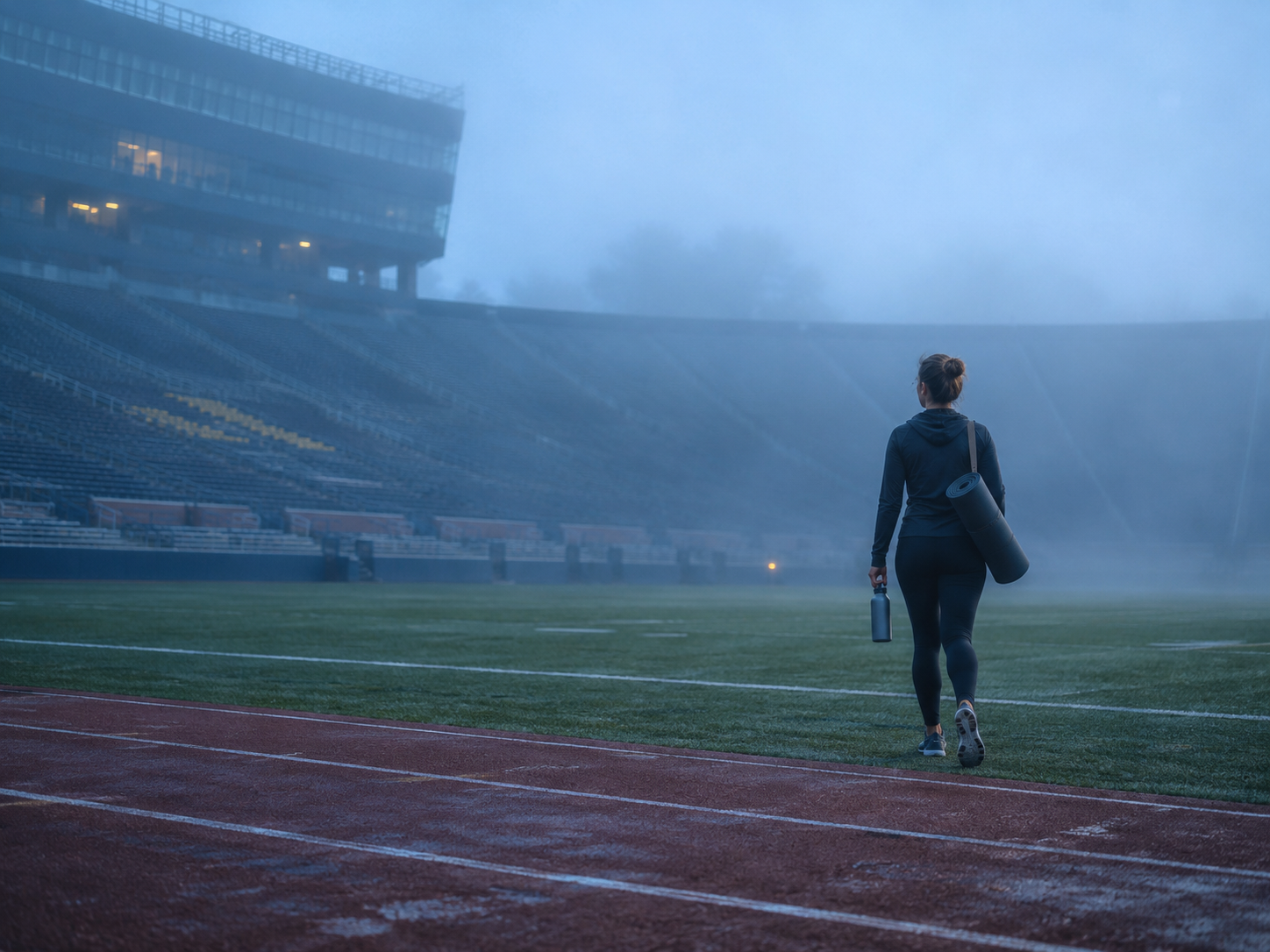
Before making plans, look for a current listing from the University of Michigan, Michigan Athletics, the named event organizer, or an authorized ticketing partner identified by the organizer. Check the date, start time, entry location, registration requirements, accessibility information, bag policy, permitted equipment, and weather plan. If any of those details are missing, contact the organizer rather than filling in the gaps yourself.
Confirm that the event is actually at Michigan Stadium. “Big House” may be used informally, and a yoga event connected with a university or local organization could take place elsewhere. Check whether a yoga mat is allowed or supplied; outdoor venues sometimes restrict items for operational or safety reasons. Also verify parking and transit information through current official channels, since event-day arrangements can differ from ordinary stadium visits.
Keep a copy of the official confirmation and review updates shortly before traveling. Stadium access may involve security checks, entry gates, and specific rules. Those requirements can change, so a generic stadium guide or a previous year’s event page is not a substitute for current instructions.
Why combine yoga with sports training?
Yoga can be one part of a broader sports routine. Depending on the style and sequence, it may involve balance, controlled movement, breathing, flexibility, and muscular endurance. These qualities can complement running, strength training, and cardio fitness, but yoga is not a replacement for every form of conditioning. A gentle mobility class does not provide the same training stimulus as progressive resistance work or a run planned for aerobic development.
A stadium setting adds atmosphere and scale, but the location does not automatically make a session more effective. The quality of the class depends on its instruction, suitable modifications, the participant’s choices, and the conditions under which it takes place. In a large group, it may be harder for an instructor to see every participant, so choose a place where you can move safely and adapt poses without pressure to match others.
Practical steps for preparing
1. Match the session to your current fitness
Read the class description and ask whether it is beginner-friendly, vigorous, heated, or focused on mobility. If you are new to yoga, choose a class that allows modifications and does not assume experience with advanced poses. If you regularly train, consider how the session fits around hard workouts. A demanding flow may be tiring after a long run or heavy strength session, while a gentle practice may work well as a recovery-day activity.
2. Check the venue and weather plan
For an outdoor or open-air gathering, prepare for changing conditions. Follow the organizer’s guidance on sun protection, layers, rain, and cancellations. Bring water if permitted, and avoid assuming that shade, water stations, or indoor shelter will be available. If the forecast or venue conditions make movement unsafe, follow official updates and be willing to skip the session.
3. Pack only what is allowed
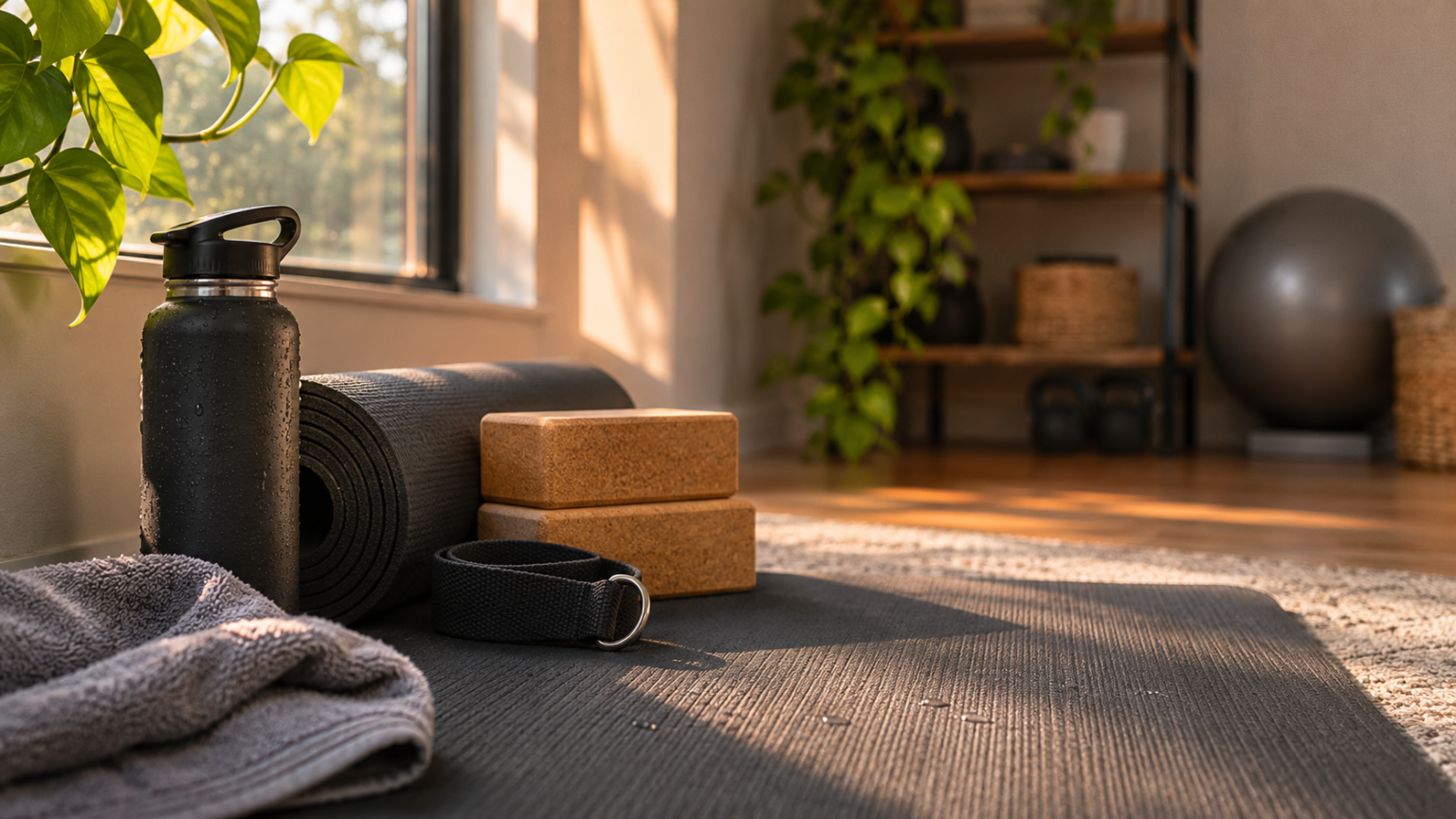
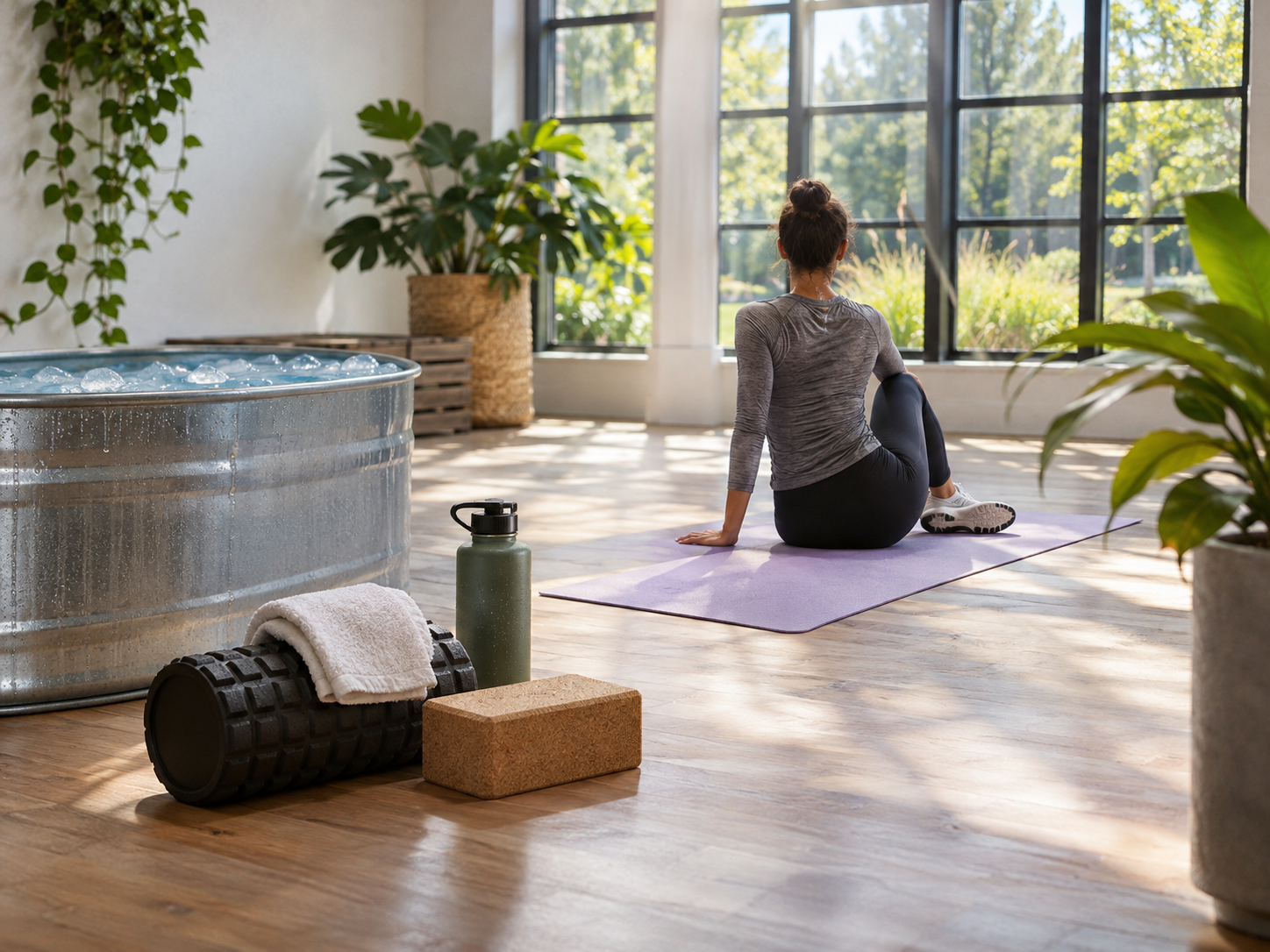
Use the event’s current list of permitted items. A mat, towel, water bottle, and light layer may be useful, but security policies can limit what enters a stadium. Do not bring equipment simply because it is typical for a studio class. If you need medication, mobility aids, or other essential items, check the venue’s accessibility and accommodation instructions in advance.
4. Arrive with time to settle
Allow time for travel, entry procedures, and finding the designated area. Once there, leave enough room to extend your arms and legs without contacting another participant. Tell the instructor privately about relevant limitations if you are comfortable doing so, and choose a position that lets you hear instructions. For a very large class, stay attentive to your own balance and spacing rather than following the crowd blindly.
5. Adjust intensity during the session
Move within a comfortable range and rest when needed. A pose should not require you to push through sharp pain, numbness, dizziness, or unusual shortness of breath. Use a simpler variation or return to a neutral position if a movement feels unstable. Competitive athletes may be accustomed to working through effort, but flexibility practice should not become a contest.
A simple Big House-inspired home workout
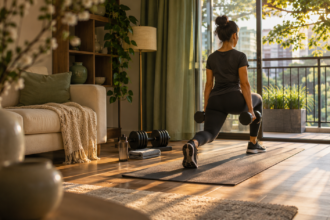
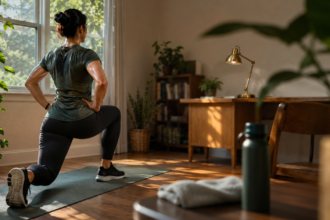
If no 2026 event is confirmed, or you cannot attend, you can use the stadium theme as motivation for a balanced home session. This sequence requires no special equipment. Keep movements controlled, use a stable surface, and shorten or skip any exercise that causes pain. It is a general workout, not a personalized rehabilitation plan.
Warm-up: five to eight minutes
Start with easy marching in place or a gentle walk. Add shoulder circles, ankle movements, and a few slow sit-to-stands from a sturdy chair. Gradually increase the range of motion, but do not force a stretch. The purpose is to feel ready to move, not to tire yourself before the main sequence.
Main sequence: two or three comfortable rounds
- Chair or body-weight squats: Sit back toward a chair and stand again, or use a comfortable squat depth. Keep the movement controlled.
- Incline push-ups: Place your hands on a stable counter or wall and bend your elbows. Choose an incline that allows steady control.
- Reverse lunges or supported step-backs: Hold a stable support if needed. Use a small step or substitute a gentle weight shift if balance is difficult.
- Bird-dog: From hands and knees, extend one arm or leg at a time without forcing the lower back to arch.
- Low-impact cardio: March, step side to side, or walk indoors at a pace that lets you control your breathing.
Take breaks between movements. The number of repetitions is less important than maintaining steady technique and leaving room to recover. If you have not exercised recently, begin with one round and assess how you feel later that day and the next morning.
Cool-down: five minutes
Slow your walking or marching, then use easy stretches for the calves, hips, and chest if they feel comfortable. Breathe normally and avoid bouncing. A cool-down should feel calm; it does not need to involve extreme flexibility. Pair the session with regular meals and fluids appropriate to your needs. Nutrition for athletes depends on training demands, health, and personal circumstances, so a single generic meal plan cannot suit everyone.
How yoga can fit with running and strength training
Think of yoga as a complement that can support movement awareness and provide a different type of practice. Runners might prefer gentle hip, ankle, and calf mobility on an easy day, while avoiding an unfamiliar intense class immediately before a key race or hard workout. Strength trainees can use controlled yoga to practice balance and range of motion, but should still follow a progressive strength plan if building strength is the goal.
For injury prevention, no single activity can guarantee that an injury will not occur. Sensible training progression, appropriate footwear and equipment, rest, technique, and attention to symptoms all matter. Flexibility is not a universal cure for pain, nor does every athlete need to pursue greater range of motion. If a particular movement is restricted or painful, a qualified clinician can help determine what is appropriate.
Recovery also involves more than stretching. Sleep, sufficient food and fluids, rest days, and adjusting training load are important parts of a sustainable routine. Yoga may be relaxing for some people, but it should not be treated as a substitute for medical care or a way to erase excessive training.
Pros and cons of a large stadium yoga session
Potential advantages
- A memorable setting may make a group workout feel engaging and help participants connect with a shared sports community.
- A guided session offers structure for people who would otherwise be unsure how to begin.
- Practicing with others can provide motivation, while a range of pose options may make a class accessible to different experience levels.
Possible drawbacks
- A large group can make individual coaching and close observation more difficult than in a small class.
- Travel, crowds, weather, entry rules, and limited space may make the experience less convenient than a local studio or home practice.
- Participants may feel pressure to copy nearby people or attempt poses beyond their current ability.
- The venue’s scale and atmosphere do not guarantee a particular health, fitness, or performance result.
These are general considerations, not claims about a specific 2026 event. The actual experience depends on the organizer, venue setup, instructor, weather, and individual needs.
Limitations and expectations
A one-off yoga class is unlikely to replace consistent training, targeted rehabilitation, or individualized coaching. Yoga styles differ: a slow, restorative practice and a vigorous flow can have very different demands. Even within one class, poses may need to be changed for pregnancy, joint limitations, balance concerns, or other health factors. The instructor may not know your medical history, especially in a large event.
Do not assume that an event is suitable for every age or ability level based solely on the word “yoga.” Read the class description, ask about modifications, and choose another activity if the format does not fit your needs. People seeking advice for a diagnosed condition should consult a qualified healthcare professional who understands their situation.
Q&A
Is yoga at the Big House 2026 confirmed?
The phrase by itself does not confirm a scheduled event. Check current announcements from the University of Michigan, Michigan Athletics, or the named organizer before making plans.
Do I need to be experienced in yoga?
That depends on the specific class. Look for a clear description of level and modifications. If those details are not available, ask the organizer rather than assuming it is suitable for beginners.
Can yoga improve sports performance?
Yoga can contribute to a varied training routine, but results depend on the practice and the person. It does not replace sport-specific training, progressive strength work, or appropriate recovery.
What should I bring?
Follow the event’s official packing and security instructions. A mat and water may be useful if allowed, but venue policies take priority.
Can I do the workout at home instead?
Yes. The home sequence above offers a general, low-equipment option. Scale it to your fitness and stop if you experience concerning symptoms.
Conclusion
Yoga at the Big House 2026 could be a distinctive way to combine movement and a celebrated sports setting, but verify that an event exists before relying on dates, access details, or registration information. Check official sources, prepare for the venue, and choose a session that matches your ability. Whether you attend a stadium gathering or practice at home, a sustainable approach is to treat yoga as one element of a broader routine that can also include running, strength training, cardio, good nutrition, and recovery.
Safety and informational disclaimer: This article provides general information, not medical advice or confirmation of a 2026 event. Follow current organizer and venue instructions. Consult a qualified healthcare professional before beginning or changing exercise if you have a health concern, injury, or other reason to seek individualized guidance.