


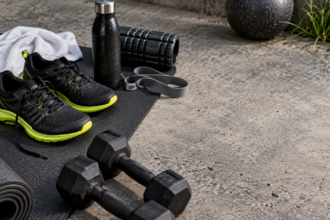
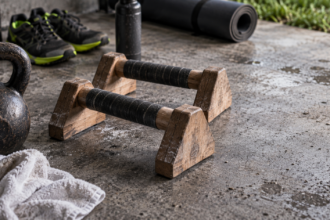



Building a useful home gym does not require a room full of machines. With a budget of less than $200, you can put together a compact setup for strength training, cardio, mobility, and recovery. The best choices depend on your available space, training experience, fitness goals, and what you already own. A set of adjustable resistance bands may suit one person better than a pair of dumbbells; for another, a stable exercise mat and a jump rope may cover more of their routine.
This guide explains what “best budget home gym equipment under 200 dollars” means, compares practical equipment categories, and offers steps for choosing a combination that fits your workouts. The budget is a spending limit, not a promise that a particular bundle will cost the same everywhere. Prices and availability change, and this article does not claim to have tested or compared specific products.
What Does “Best Budget Home Gym Equipment Under 200 Dollars” Mean?
It means selecting useful, reasonably durable equipment that supports your training priorities while keeping the total purchase under $200. “Best” is relative: equipment is only a good value if it fits your body, space, exercises, and ability to use it safely. A low-cost item that goes unused is poor value, even if its purchase price is attractive.
For a small home setup, prioritize versatility and repeat use. A resistance band can support rows, presses, and assistance exercises, while a mat can make floor-based strength and mobility work more comfortable. Neither replaces all other equipment or guarantees a particular fitness result. Your routine, progression, recovery, and consistency matter as much as the objects you buy.
How to Compare Equipment on a Limited Budget
Because product models, local prices, and shipping costs vary, this guide compares equipment by function rather than naming a ranked list of products. Before purchasing, check current listings from multiple retailers and review the manufacturer’s instructions, materials, dimensions, return policy, and warranty. For safety guidance, consult the instructions supplied with the equipment and relevant guidance from organizations such as the U.S. Consumer Product Safety Commission (CPSC) and the American College of Sports Medicine (ACSM). These sources provide general safety and exercise information; they do not certify every low-cost product.
Compare items against a few practical questions:
- Will this support an exercise you plan to do regularly?
- Can you store and use it safely in your available space?
- Are load limits, dimensions, and care instructions clearly provided?
- Does the total cost, including required accessories or shipping, stay within your limit?
- Can you scale the exercise as your strength or coordination changes?
Useful Equipment Categories
Resistance bands
Resistance bands are lightweight and versatile. Depending on their design, they can provide resistance for presses, rows, pull-aparts, assisted movements, and lower-body exercises. They are also convenient for travel and can complement bodyweight training. A set with different resistance levels may offer more options than a single band, but band labels are not a substitute for checking how a band feels during the movement.
Pros: compact storage, multiple exercise options, and adjustable challenge through band selection or body position. Cons: resistance can be difficult to compare across brands; bands can wear, tear, or snap; and some exercises require a reliable anchor point. Inspect bands before use, follow the maker’s guidance, and never anchor one to a fixture that may move or fail.
Jump rope
A jump rope is a low-cost option for short cardio intervals and coordination practice. It needs little storage space, and sessions can be adjusted by changing duration, pace, or rest. It is not a requirement for cardio fitness: brisk walking, stair climbing where safe, or other low-cost activities may be more suitable.
Pros: portable, simple to store, and useful for brief conditioning sessions. Cons: repeated impact may not suit everyone, and adequate ceiling height and clear floor space are necessary. If you have joint pain, balance concerns, or a medical condition affecting exercise, choose a lower-impact option or seek individualized professional advice.
Exercise mat
A mat can provide a more comfortable, defined surface for yoga, stretching, floor exercises, and bodyweight strength work. Check its length, thickness, grip, and care instructions. A thicker mat is not automatically better: too much softness may make standing balance exercises less stable.
Pros: supports floor work, rolls up for storage, and can be used across several types of workouts. Cons: it does not replace a stable floor, and grip or cushioning varies. Keep it clean and dry, and avoid using a damaged mat if it slides or bunches during movement.
Adjustable dumbbells or a basic pair
Weights can make progressive strength training easier to organize. Adjustable dumbbells may save storage space, while a basic pair can be simpler to use. The right starting load depends on the person and the exercise. Select a weight that allows controlled repetitions with sound technique, and avoid buying a load that is too heavy to manage safely.
Pros: useful for many familiar strength exercises and straightforward to incorporate into a repeatable routine. Cons: dumbbells take more space than bands, can be costly depending on their construction, and require careful handling. Inspect locking mechanisms on adjustable models and set weights down under control.
Other low-cost additions
A sturdy chair can support certain exercises, but it should be stable, placed on a non-slippery surface, and not used for movements beyond its design. A foam roller may be useful for self-massage and comfort, though it is not a substitute for diagnosis or treatment of an injury. A water bottle, timer, and exercise log can support a routine without consuming much of the equipment budget.
Example Ways to Allocate the Budget
These are planning approaches, not fixed-price shopping lists. Check current local prices and leave room for tax, shipping, or replacement parts. Avoid spending the entire budget on one category unless it clearly matches your training plan.
- Strength-focused: prioritize resistance bands or manageable dumbbells, then add a mat if floor exercises are part of your plan.
- Cardio and mobility: consider a jump rope only if impact and space suit you, alongside a mat for mobility and bodyweight work.
- Mixed home workouts: choose one versatile resistance option and one surface or cardio item rather than buying several versions of the same tool.
If you already have suitable footwear, a clear floor, or household items that can safely serve a purpose, account for those before buying duplicates. Do not improvise with unstable furniture, damaged equipment, or objects that are not designed to bear the load you plan to place on them.
Practical Steps to Build a Home Setup
- Choose a main goal. Decide whether your priority is strength, cardio fitness, flexibility, or a balanced routine. A specific goal helps narrow purchases.
- List exercises you will actually do. Write down a few movements for pushing, pulling, legs, core, and conditioning. Note which equipment each movement needs.
- Measure your training area. Check floor space, ceiling clearance, storage, and the surface underfoot. Account for the space needed to move rather than measuring only the equipment.
- Set a full-cost limit. Compare prices from current retailer listings and include delivery, tax, and necessary attachments. Keep a small amount unspent if replacement or safety accessories may be needed.
- Check product information. Look for clear instructions, load or use limits where applicable, dimensions, maintenance guidance, and a seller or manufacturer contact. Be cautious if essential safety information is missing.
- Begin with manageable sessions. Learn each movement at a controlled pace. Increase resistance, duration, or difficulty gradually rather than changing several variables at once.
- Review the setup after a few weeks. If an item is not helping your routine, do not buy more equipment to compensate. First consider whether the exercise plan, schedule, or equipment choice needs adjustment.
Using Your Equipment Across Training Goals
For strength training, combine exercises that work different muscle groups and allow recovery between demanding sessions. Bands and dumbbells can support this, but bodyweight movements may be enough for a beginner. Progress can come from improving control, range of motion, repetitions, or resistance. There is no need to make every workout maximal.
For cardio fitness, choose an activity you can perform consistently and safely. Rope intervals are one option, but walking, cycling, or low-impact routines may be more appropriate. Running does not require a home gym; suitable shoes and a safe route may matter more. Increase training gradually, especially when returning after a break.
For yoga and flexibility, a mat can make floor-based practice more comfortable. Stretch within a tolerable range and avoid forcing a joint into pain. Flexibility work can support movement practice, but it is not a guaranteed injury-prevention method. For recovery, prioritize adequate rest, hydration, and nutrition that suits your needs. Foam rolling may feel helpful to some people, but it should not be treated as a cure for injury.
Sports psychology habits can also help make a modest home setup more useful. Set a realistic schedule, track completed sessions, and define a small process goal such as practicing controlled form. Consistent routines are generally more actionable than waiting for motivation or buying extra equipment.
Limitations and Safety
Budget equipment may have fewer adjustment options, less detailed documentation, or shorter expected service life than higher-priced alternatives. These are possibilities to evaluate, not assumptions about every inexpensive product. No equipment choice can ensure results, prevent all injuries, or replace qualified coaching when technique or programming support is needed.
Check equipment before each use for damage, loose parts, or slipping. Keep the workout area clear, use equipment only as instructed, and stop if you experience sharp pain, dizziness, chest discomfort, or unusual shortness of breath. Seek medical advice for concerning symptoms. People with existing injuries, chronic health conditions, pregnancy-related concerns, or uncertainty about exercise suitability should consult an appropriate healthcare professional before starting or changing a program.
Concise Q&A
Can I build strength with equipment under $200?
Yes, a suitable combination of bands, weights, or bodyweight exercises can support strength training. Results depend on appropriate programming, gradual progression, and recovery, not the price of the equipment alone.
What should I buy first?
Start with the item that supports the most exercises in your actual plan. For some people that is a resistance band set; for others it may be a mat or manageable weights. There is no universal best first purchase.
Is a jump rope suitable for every home workout?
No. It requires clearance and creates repeated impact. Choose another cardio activity if impact, balance, flooring, or available space makes rope work unsuitable.
Are budget products automatically unsafe?
No, but price alone does not establish quality or safety. Review instructions, materials, load limits, condition, and return terms, and inspect the equipment regularly.
Bottom Line
The best budget home gym equipment under 200 dollars is a small, considered collection that fits your space and helps you perform exercises you will repeat. Compare current prices rather than relying on fixed estimates, check product documentation, and leave room in the budget for total costs. A mat, resistance option, or cardio tool can be enough to begin; add equipment only when it solves a real training need.
Disclaimer: This article is general informational content, not medical, financial, or individualized training advice. Product prices and availability change. Follow manufacturer instructions and consult qualified professionals about personal health, injury, or exercise concerns.